Longevity culture
Hotspan: the vain cousin of healthspan
First we chased lifespan, then healthspan. Now men want a hotspan, the years they stay lean, strong and good-looking. Lenny Kravitz is the poster child.
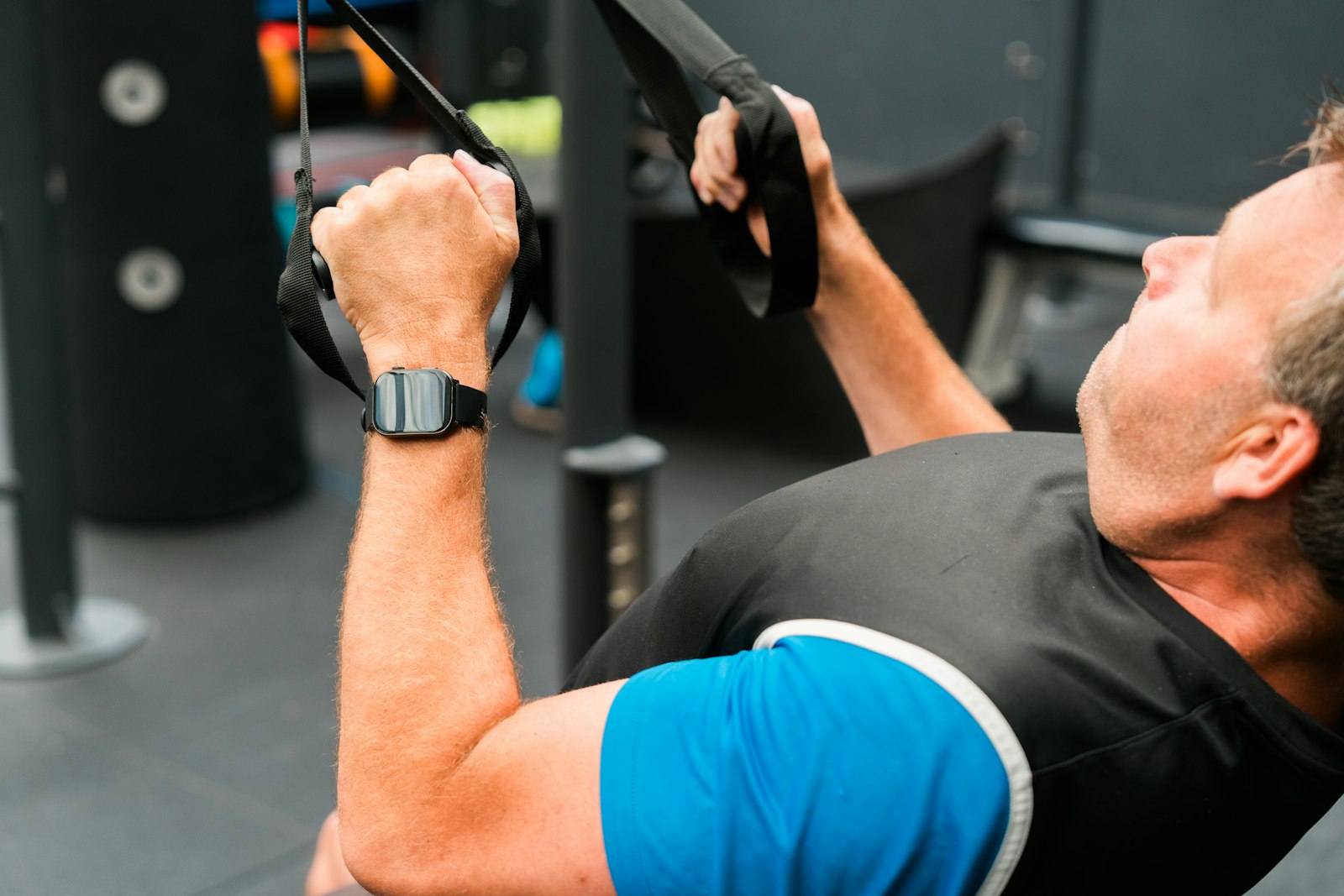
There is a new word doing the rounds in the longevity crowd, and it is a little embarrassing.
For years the argument was about lifespan, the total number of years you live. Then the smarter version arrived: healthspan, the years you stay free of serious disease and disability. Living longer is not the point if the extra decade is spent in a chair.
Now there is a third word, half-joke and half-confession: hotspan. It is the stretch of your life in which you still look good. Lean, upright, strong, clear-skinned, the kind of person a photographer does not need to light kindly. As one recent write-up put it, men used to talk quietly about lifespan and healthspan, and now they talk, less quietly, about their hotspan too.
It is easy to sneer at. It is also, if you are honest, one of the more effective motivators anyone has found for the behaviours that actually extend healthspan. Vanity gets people into the gym that mortality statistics never could.
Why the vain metric tracks the serious one
Here is the quiet joke inside the joke: the things that stretch a hotspan are, almost entirely, the things that stretch a healthspan.
- Staying lean protects insulin sensitivity and takes load off your joints.
- Keeping muscle preserves strength, power, and the ability to get up off the floor at 80.
- Sleeping properly shows on your face and in your metabolism.
- Not smoking, not drinking much, and staying out of a sugar spiral help your skin and your arteries in the same stroke.
- Sun protection is both a skincare habit and a skin-cancer one.
Facial attractiveness even shows up, faintly, in the mortality data. A study in Social Science & Medicine found the least attractive people in a long-running cohort lived meaningfully shorter lives than the rest. Nobody should over-read a correlation like that, and “looks” is tangled up with income, stress and health to begin with. But it hints at what the hotspan crowd sense intuitively: looking well and being well are not separable projects.
Longevity entrepreneur Dave Asprey put the mood bluntly in a recent piece on men spending big to stay attractive as they age: “Looking good and feeling powerful are the same thing.” Previous generations treated the mirror and the medical chart as different departments. This one does not.
The risk, of course, is the shortcut. A hotspan chased through peptides, testosterone, filler and filters is not the same as one earned through training and sleep. The metric is only useful when it drags the real behaviours along with it.
Lenny Kravitz, exhibit A
If you want a human worked example, it is hard to beat Lenny Kravitz, who at 61 is still peeling his shirt off mid-show and, infuriatingly, has the midsection to justify it.
What is striking about his routine is how little of it is exotic. Speaking to Men’s Health, and across years of interviews, the picture that emerges is consistency rather than secret sauce.
He trains most days, but not for hours. Kravitz works out five to six days a week with his long-time trainer Dodd Romero, and has actually made his sessions shorter and more efficient with age, not longer. The style is old-fashioned: free weights and plates over fancy machines, plus bodyweight work.
The volume is high, the equipment is not. One of his signature blocks is a descending ladder of bodyweight squats, five sets of 77, 50, 35, 21 and 14 reps, paired with hanging knee raises from a pull-up bar, four sets of 21. There is nothing there you could not do in a hotel room.
Cardio and yoga bookend the lifting. His days tend to run fasted cardio in the morning, weights during the day, more cardio before bed, with yoga folded in for flexibility and calm. He has said he would “rather be outside and in nature than being cooped up inside a gym,” which is not a bad attitude for keeping this up across decades.
The diet is the strict part. Kravitz is vegan and largely raw. “I’m vegan, primarily raw,” he has said. “I have done extensive raw diets where I eat raw for a year. I’m very careful about what I put in my body and how I take care of my body.” At times he cuts sugar entirely, including fruit sugar, and just “eats green.” The discipline is real; so, he cheerfully admits, are the cheat meals of pasta, bread, pancakes and waffles.
No shortcuts, by his account. He has been explicit that this is done on food and effort, without testosterone or hormone replacement, which is exactly where the hotspan conversation gets its integrity or loses it.
And then the line that sums up the whole idea better than the word “hotspan” ever will. Kravitz told Men’s Health: “My best shape is not behind me. It’s in front of me right now. We keep moving that bar as we get older.”
The honest version of a silly word
Strip away the marketing and the peptide upsells, and hotspan is just a slightly vain frame around a very old truth: keep your muscle, keep moving, eat like you mean it, sleep, and protect your skin. Do that and you tend to look better and live better, which turns out to be the same project after all.
You do not need Lenny Kravitz’s genes, his trainer, or his year-long raw-food stretches. You need the boring version, repeated for decades. The vanity is optional. If it gets you to the gym, use it.