Study breakdown · Cell Metabolism
The Amino Acid Sweet Spot
A USC study finds that amino acid composition, not just protein quantity, may be the key to metabolic health and longevity.
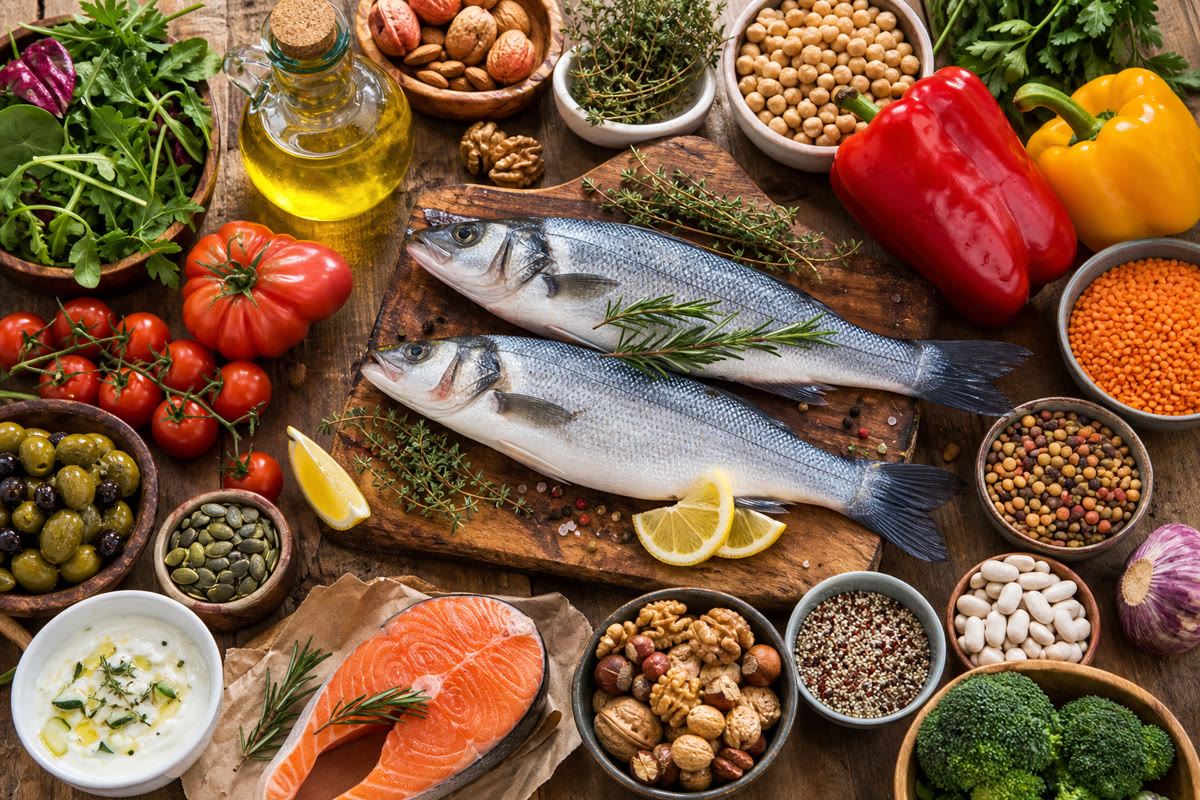
A new USC study published in Cell Metabolism adds an interesting twist to the protein debate: it may not be how much protein you eat, but which amino acids you get and in what amounts.
The research team, led by Valter Longo at the USC Leonard Davis School of Gerontology, tested a Mediterranean-inspired “longevity diet” that is largely plant-based with added fish, supplemented with a small amount of the essential amino acid methionine.
The experiment
Researchers fed 20-month-old mice one of four diets: a standard diet, a Western diet high in fats and sugars, a low-carbohydrate ketogenic diet, or the low-protein methionine-supplemented longevity diet (LDMM).
The mice on the LDMM showed significantly better outcomes:
- Longer healthspan (the portion of life spent in good health)
- Reduced fat mass
- Less frailty
- Better cardiometabolic markers, including higher levels of GLP-1
The most striking finding? Mice on the longevity diet could eat more food than any other group and still lose fat without losing lean body mass. But this only worked when methionine levels were low but sufficient.
Why amino acid composition matters
Methionine is an essential amino acid found in eggs, meat, and dairy. The traditional Mediterranean diet and the Okinawan diet are naturally low in methionine because they rely heavily on plant foods and fish rather than red meat and dairy.
“We expected different diets to produce different outcomes, but what really impressed us was how modulating just a single amino acid, methionine, could produce such dramatic metabolic changes,” said Maura Fanti, the study’s first author. “It points to the idea that amino acid composition, not just overall protein quantity, may be the target of strategic metabolic interventions.”
Too little methionine caused frailty in the mice. Too much methionine abolished the benefits entirely. The sweet spot mattered.
Human data tells a similar story
The team also analysed existing data on diet and health from more than 200,000 people in collaboration with the University of Toronto and Harvard University.
Participants who ate the highest levels of animal protein had a higher prevalence of obesity and twice the rate of Type 2 diabetes compared with those eating little to no animal protein. This held true even though those eating more animal protein had a lower calorie intake and otherwise healthier nutrition.
“This challenges the dogma that calorie reduction is necessary to lose weight,” Longo said. “These results indicate that overall protein intake may be less important than specific amino acid intake.”
Practical takeaways
The combined mouse and human data suggest the best health outcomes come from a diet that is:
- Largely plant-based (vegan or vegetarian)
- Includes fish
- Provides a small but sufficient amount of methionine and other essential amino acids
- Follows the pattern of long-lived populations like those in traditional Italy and Okinawa
This aligns with the broader longevity literature: the Blue Zones, the Mediterranean diet, and caloric restriction research all point toward plant-forward eating with moderate protein from diverse sources.
The researchers hope to pursue controlled clinical trials of this longevity diet in humans next. For now, the message is nuanced: enough protein to preserve muscle and avoid frailty, but not so much animal protein that you flood your system with methionine.
Quality and composition over quantity.