Electrolytes and Longevity: What Actually Matters
In a trial across 600 Chinese villages, changing the salt used in cooking reduced deaths. The results put the promises on electrolyte sachets in perspective.
One of the strongest studies connecting electrolytes with survival did not involve a sports drink. It involved the salt people used to cook.
In 600 villages in rural China, researchers assigned households to ordinary salt or a substitute containing 75% sodium chloride and 25% potassium chloride. The trial included 20,995 people who had previously had a stroke, or were at least 60 and had high blood pressure.
Over an average 4.74 years, death rates were 39.28 per 1,000 person-years in the salt-substitute group and 44.61 in the ordinary-salt group. That was about 12% lower in relative terms, or 5.3 fewer deaths per 1,000 person-years. Stroke rates were also lower.
The Salt Substitute and Stroke Study offers meaningful evidence for that particular change in a high-risk population. It does not show that healthy people live longer by buying electrolyte powders.
What electrolytes do
Electrolytes carry an electrical charge when dissolved in body fluids. Sodium, potassium, magnesium, calcium, chloride and phosphate are among them. They support nerve signalling, muscle function and fluid balance; the kidneys help regulate their levels.
| Mineral | Main roles | Familiar sources |
|---|---|---|
| Sodium and chloride | Fluid balance and nerve signalling | Salt and many packaged foods |
| Potassium | Muscle and nerve function, blood pressure regulation | Beans, potatoes, fruit and vegetables |
| Magnesium | Energy metabolism, muscle and nerve function, bone structure | Nuts, seeds, whole grains and leafy greens |
| Calcium | Bone structure, muscle contraction and nerve signalling | Dairy and suitable fortified alternatives |
These are essential functions. For most people, the nutritional aim is enough of each mineral, with attention to excess sodium, rather than increasing them all.
Blood pressure is the clearest connection
High sodium intake raises blood pressure. Potassium can counter some of sodium’s effects, helping explain the rationale for replacing part of cooking salt with potassium chloride.
WHO recommends less than 2,000 mg of sodium a day for adults, equivalent to less than 5 grams of salt. That includes sodium already in bread, sauces, processed meat and other foods. The trial cannot separate the effects of less sodium from those of more potassium, and individual needs can differ.
A potassium-based salt substitute also needs a safety check. Kidney disease and medicines including ACE inhibitors, ARBs and potassium-sparing diuretics can increase the risk of dangerously high potassium. People in those circumstances should ask their clinician before using one or taking potassium supplements.
Most minerals can come from meals
The EatingWell article that prompted this piece highlights spinach, bananas, avocados, dried figs and watermelon. They are examples of ordinary foods contributing minerals; watermelon also supplies water.
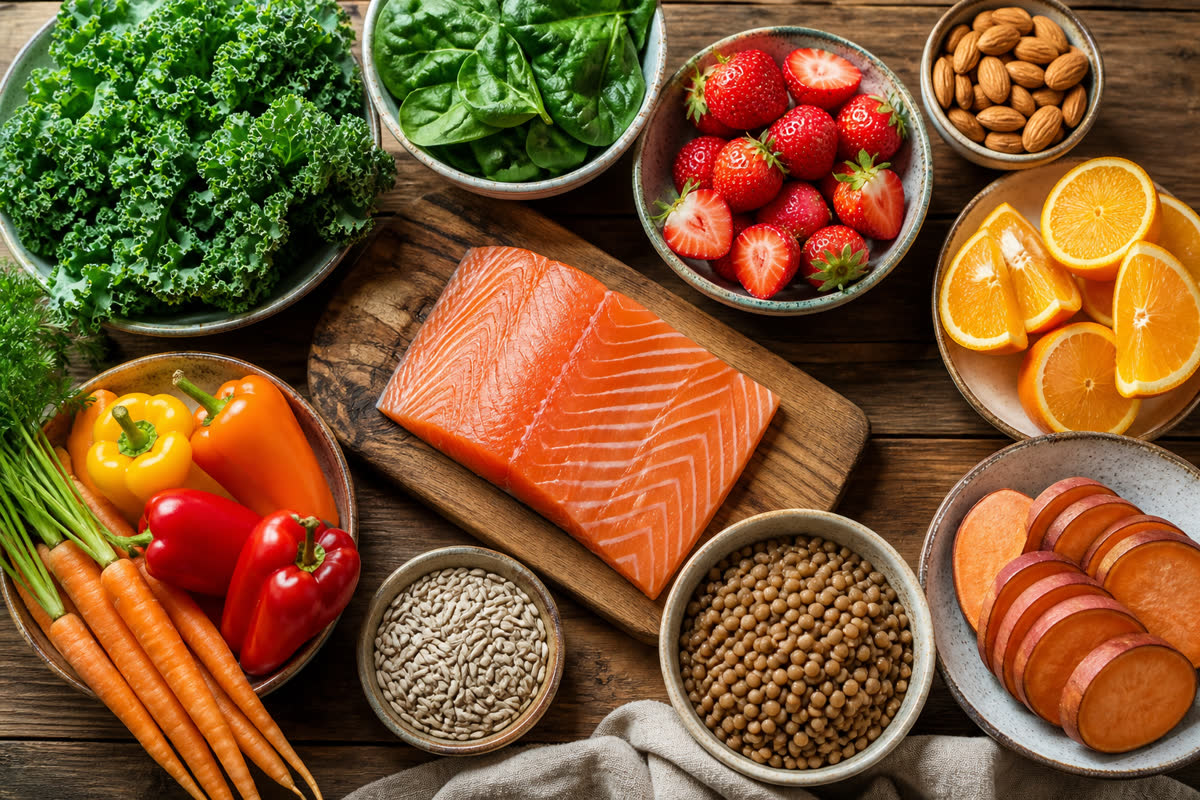
Beans, lentils, nuts, seeds, whole grains and yoghurt or fortified alternatives broaden the range. Oats with yoghurt and fruit, a bean salad and vegetables with dinner can provide several minerals alongside fibre and protein.
Magnesium and calcium deserve attention for normal function and bone health, but their biological roles do not establish that extra supplements extend life. Supplements may be appropriate for a deficiency or another clinical reason. High supplemental magnesium can cause diarrhoea, and impaired kidney function increases toxicity risk.
When a drink has a purpose
Water and normal meals are usually sufficient for everyday activity and most short workouts. Longer exercise, hot conditions and substantial sweat losses may call for planned replacement of fluid and electrolytes, depending on the activity and person.
Vomiting and diarrhoea are different. A pharmacist may recommend a properly formulated oral rehydration solution. Sports drinks and coconut water should not be assumed to work as equivalent treatments.
Older adults are more vulnerable to dehydration. Having drinks available, drinking with meals and paying attention during illness or hot weather are useful habits. People with prescribed fluid restrictions should follow their clinical advice.
Persistent dizziness, very little urine, confusion or a fast heartbeat warrant medical assessment. Symptoms alone cannot identify which electrolyte, if any, is out of balance.
The longevity case therefore begins with blood pressure and diet: reduce excess sodium, meet mineral needs and replace losses appropriately. A sachet can be useful in specific circumstances, but routine electrolyte drinks have not been established as a way to extend human lifespan.
Revised with AI assistance on October 6, 2026. This is an editorial revision, not a medical review.
Sources
- EatingWell: Foods with electrolytes. Inspiration for the food examples, not evidence of lifespan extension.
- WHO: Sodium reduction. Sodium targets, blood pressure and food sources.
- Neal et al., 2021: Effect of Salt Substitution on Cardiovascular Events and Death. Cluster-randomised trial, published in the New England Journal of Medicine. Accessible study abstract.
- NIH Office of Dietary Supplements: Potassium. Physiology, food sources, blood pressure and medication interactions.
- NIH Office of Dietary Supplements: Magnesium. Functions, dietary sources, evidence limitations and supplement risks.
- NIH Office of Dietary Supplements: Calcium. Bone health, calcium functions and supplementation evidence.
- National Athletic Trainers’ Association, 2017: Fluid Replacement for the Physically Active. Exercise hydration and electrolyte replacement guidance.
- NHS: Dehydration. Older-adult risk, oral rehydration and symptoms requiring assessment.