Protective food groups first
Build meals from the groups linked to lower all-cause mortality: whole grains, vegetables, fruit, nuts, legumes, and fish. The recipe should move those intakes, not just look Mediterranean.
Recipes that follow the evidence
A working kitchen for the food groups already in the calculator: plants, fibre, fish, nuts, and enough protein to make the first meal count. Between meals, fruit, legumes, yoghurt, and a measured nut handful instead of a packet. After dinner, fruit, yoghurt, cocoa, and nuts instead of pastry.
How we choose a recipe
Build meals from the groups linked to lower all-cause mortality: whole grains, vegetables, fruit, nuts, legumes, and fish. The recipe should move those intakes, not just look Mediterranean.
A meaningful protein source at breakfast or the day’s first meal, roughly 20 g, is easier to repeat than a huge dinner. Yoghurt, beans, eggs, tofu, or fish all count.
Oats, beans, greens, chia, and whole fruit do more for fullness and cardiometabolic markers than a protein bar with a fibre claim. Aim for plants you will batch-cook.
No processed meat, sugar-sweetened drinks, or pastry-as-breakfast. Olive oil, herbs, and a little cheese beat bacon and juice.
A snack earns its place when it moves a food group and stops crisps, pastry, or a sugar-sweetened drink. Adding a virtuous handful on top of an already finished day is just extra energy.
If you eat on a 16:8 window, treat these as first-meal recipes rather than a rule that everyone must eat at 7am. The Triple-F pattern can skip an early breakfast; it should not skip protein, fibre, and plants when you do eat.
First meal · Make-ahead
These are first meals you can batch on a Sunday: high enough in protein and fibre to stay useful, built from the food groups the calculator already scores, and free of the usual breakfast tax of juice, pastry, and processed meat.
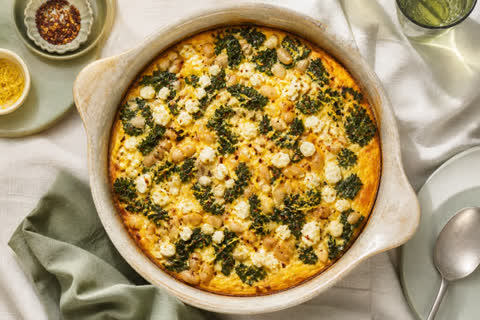 Batch savoury White-bean, kale and lemon egg bake
 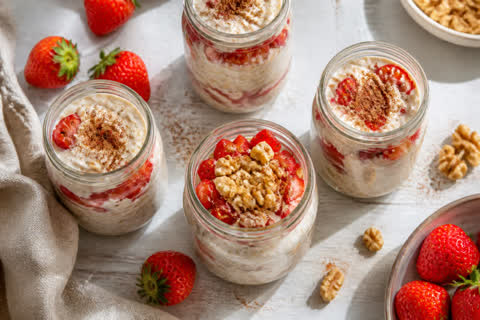 Overnight oats Strawberry, walnut and yoghurt oat jars
 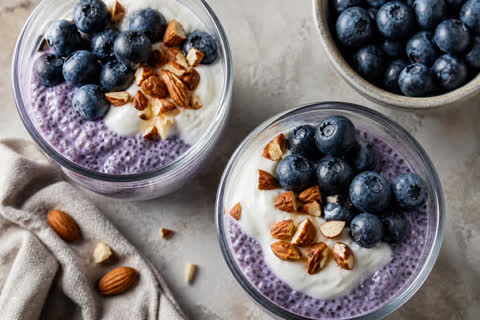 Make-ahead pot Blueberry chia pots with almond yoghurt
 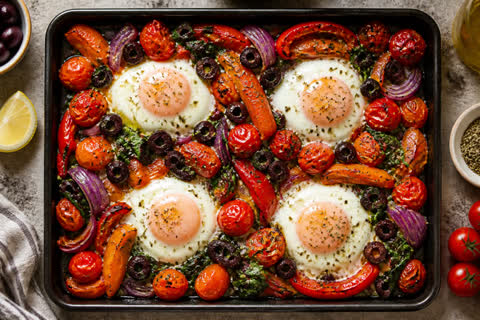 One-tray savoury Sheet-pan peppers, tomatoes and eggs
 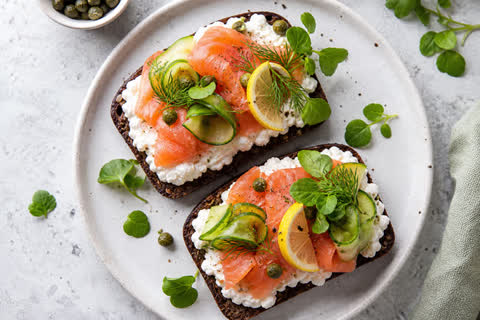 Assemble in 5 minutes Rye, salmon and cucumber plates
 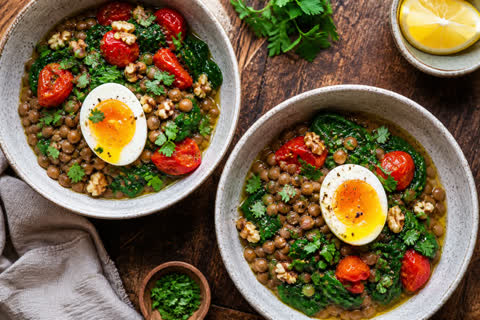 Savoury bowl Warm lentil breakfast bowl
 Batch savoury
Legumes are the longevity staple most breakfasts skip. A drained tin of white beans plus kale puts fibre and plant protein under a modest egg custard, so one tray covers the week without a three-egg fry-up every morning.
Hits legumes, vegetables, eggs, dairy. Refrigerate slices for 4 days. Reheat until steaming.
Swap. Use chopped spinach, and swap feta for a spoon of extra cottage cheese if you want less brine.
Overnight oats
Rolled oats are one of the few breakfast foods with randomised-trial evidence for cholesterol and blood sugar, mostly through beta-glucan. Greek yoghurt and walnuts turn a bowl of carbs into a first meal that also hits fruit, protein, and the nut serving.
Hits whole grains, fruit, nuts, dairy. 4 days in the fridge. Add walnuts in the morning so they stay crisp.
Swap. Blueberries or chopped orange work the same way. Use soy yoghurt and soy milk if you prefer a dairy-free jar; protein stays useful if the yoghurt is fortified or soy-based.
Make-ahead pot
Chia is an easy seed serving: fibre, alpha-linolenic acid, and a texture that keeps you from drinking breakfast. Blended blueberries stain the pot like jam without turning it into dessert, and yoghurt keeps protein in the useful range.
Hits fruit, nuts, dairy. 3 days. The chia thickens overnight and holds.
Swap. Raspberries if you want more tartness. A spoon of almond butter instead of chopped almonds is fine; keep it to about 15 g so the pot does not become a nut-butter dessert.
One-tray savoury
This is a vegetable serving that happens to include an egg, not an omelette with a garnish. Peppers and tomatoes raise carotenoids and volume; olives and olive oil keep it in a Mediterranean fat pattern instead of a fry-up.
Hits vegetables, eggs. Roast the vegetables up to 3 days ahead. Crack fresh eggs onto a reheated tray, or refrigerate cooked eggs and eat cold.
Swap. Use leftover roasted vegetables. For a no-egg tray, add a drained tin of chickpeas for the last 10 minutes and finish with yoghurt.
Assemble in 5 minutes
Fatty fish is the cleanest animal food in the mortality curves, and breakfast is an easy place to use leftover salmon or a small tin. Cottage cheese or thick yoghurt supplies extra protein without another egg.
Hits fish, whole grains, dairy, vegetables. Mix the herbed yoghurt up to 3 days ahead. Assemble just before eating so the rye stays intact.
Swap. Canned salmon or sardines count and are cheaper. If you avoid fish, use mashed white beans with olive oil and lemon on the same rye.
Savoury bowl
Blue Zone breakfasts are often leftover beans, not cereal. A hot lentil bowl is the most direct way to start the day on the food group those “nature’s multivitamin” lists forget, with enough volume to stay full until lunch.
Hits legumes, vegetables, eggs. Cook a pot of lentils on Sunday. Reheat a scoop each morning with tomatoes and greens.
Swap. Chickpeas or leftover bean stew work the same way. Skip the egg and keep the yoghurt if you have already had eggs that day.
Between meals · Replace a packet
These are between-meal plates built from nuts, fruit, legumes, yoghurt, vegetables, rye, and fish. They exist to replace crisps, bars, and sweet drinks, not to sit on top of them.
Why these snacks, with the studies
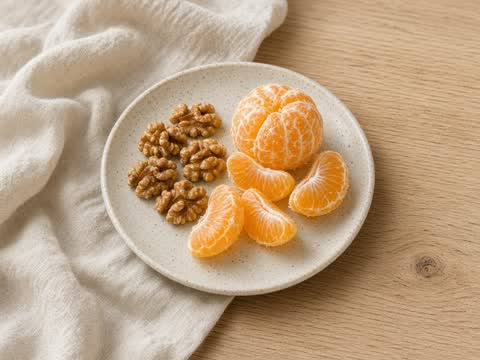 Assemble in 2 minutes Walnuts and an orange
 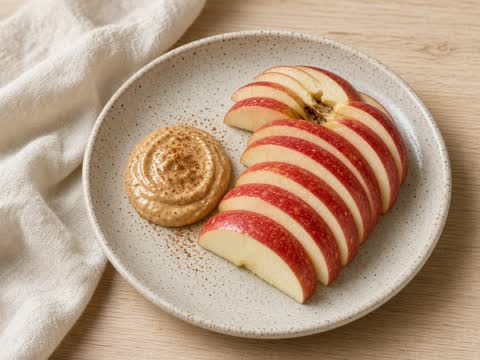 Five minutes Apple with almond butter
 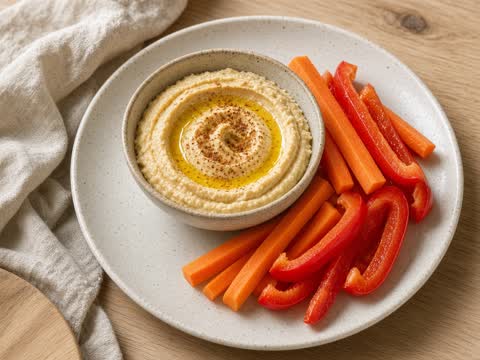 Dip and crunch Hummus, carrots and peppers
 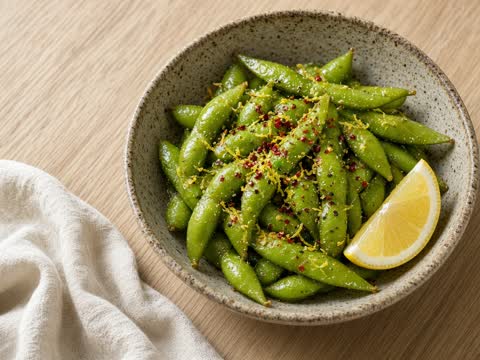 Ten minutes Lemon chilli edamame
 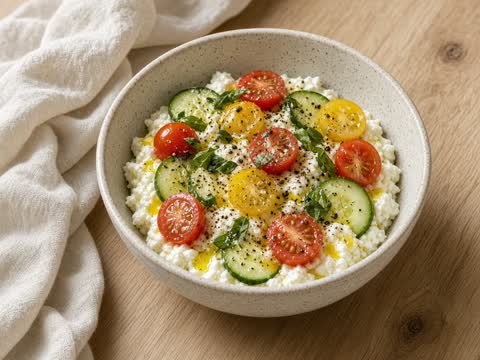 Assemble in 5 minutes Cottage cheese, tomato and cucumber
 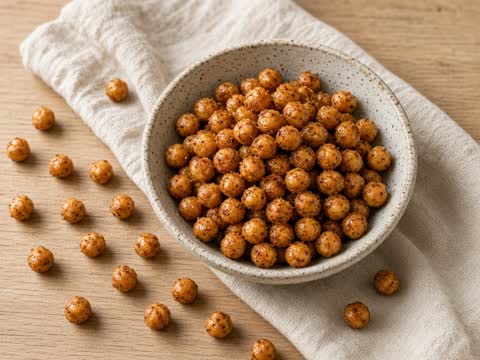 Tray batch Crunchy roasted chickpeas
 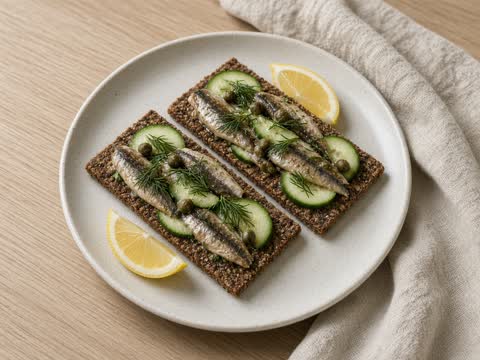 Five minutes Sardines on rye crisps
 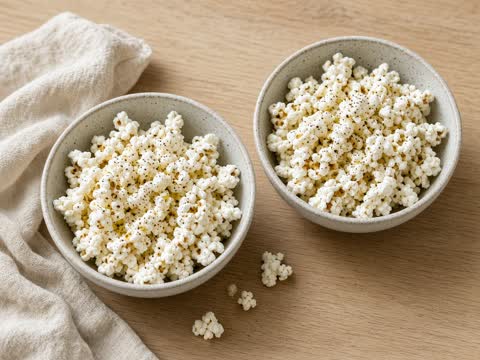 Stovetop Olive-oil stove-top popcorn
 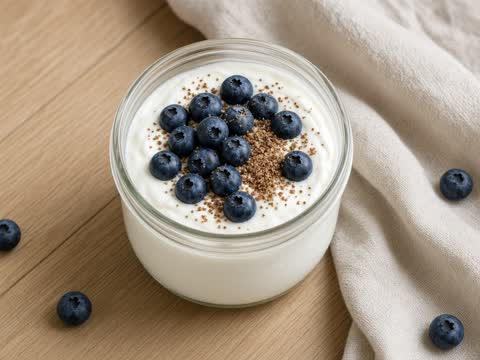 Make-ahead pot Blueberry yoghurt snack pot
 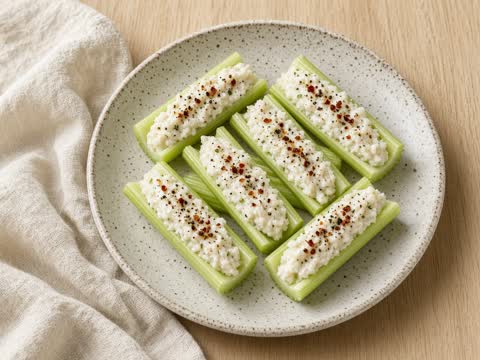 Smash White-bean smash on celery
 Assemble in 2 minutes
Nuts are one of the steepest per-serving mortality signals in the food-group literature, and the curve flattens around a handful. Whole citrus is the fruit serving with a clean observational signal. Together they replace a packet without turning the afternoon into a grazing bag.
Hits nuts, fruit. Portion walnuts into 20 g bags for the week. Peel the orange when you eat it.
Swap. A clementine or kiwi works the same way. Almonds or pistachios can replace walnuts; keep the serving at about 20 g.
Five minutes
Whole apples track with lower mortality and diabetes risk in pooled observational work, largely through fibre, polyphenols, and what they replace. A measured spoon of almond butter adds the nut serving and enough fat that the fruit actually holds you until the next meal.
Hits fruit, nuts. Nothing to prep. Slice the apple just before eating so it does not brown.
Swap. Pear instead of apple. Peanut butter or tahini is fine; keep it to 15 g. Skip nut butter and use 15 g chopped almonds if that is what you have.
Dip and crunch
Legumes are the longevity staple most snack lists skip. Hummus puts a chickpea serving under vegetables that supply volume and carotenoids, so the plate displaces crisps instead of decorating them.
Hits legumes, vegetables. Cut the vegetables up to 3 days ahead and keep them in water in the fridge. Hummus keeps 4 days.
Swap. Shop hummus is fine if the first ingredients are chickpeas, tahini, and oil. Cucumber or fennel instead of pepper. Use a drained tin of white beans for a milder dip.
Ten minutes
Edamame is a soybean serving you have to chew. That puts legumes, plant protein, and fibre in a bowl that is harder to mindlessly finish than a bar, without turning the snack into a soy-supplement story.
Hits legumes. Keep a bag of frozen edamame. Season just before eating so the pods stay bright.
Swap. Shelled edamame if you are eating at a desk. A pinch of smoked paprika instead of chilli. Frozen peas with the same dressing are a milder stand-in, not the same protein.
Assemble in 5 minutes
Cottage cheese is a practical protein base with almost no free sugar. Tomatoes and cucumber add the water-rich volume that makes a bowl feel like food, and a teaspoon of olive oil keeps it in a Mediterranean fat pattern instead of a crisp bag.
Hits dairy, vegetables. Halve the tomatoes up to a day ahead. Assemble just before eating so the cottage cheese stays thick.
Swap. Thick plain yoghurt if you prefer it. A few olives instead of extra salt. Skip the oil if the rest of the day is already olive-oil heavy.
Tray batch
A measured scoop of roasted chickpeas is portable legumes. The tray exists to replace a crisp bag, not to sit next to one. Stop at a handful; a whole tin is dinner.
Hits legumes. 4 days in a jar once fully cool. They soften after a day; recrisp 5 minutes in a hot oven.
Swap. Use leftover cooked chickpeas. A pinch of chilli instead of paprika. Skip added salt if you already eat a high-sodium diet.
Five minutes
Fatty fish is the cleanest animal food in the mortality curves, and a small tin is the easiest way to use it between meals. Dense rye supplies the whole-grain serving. Lemon and cucumber stop the plate from being only oil and salt.
Hits fish, whole grains, vegetables. Keep tins and rye crisps in the cupboard. Assemble just before eating so the crisps stay intact.
Swap. Canned salmon or mackerel count. If you avoid fish, use mashed white beans with lemon and olive oil on the same rye.
Stovetop
Air-popped or stove-top popcorn is a whole grain with unusual volume, which is why it shows up in satiety writing. A teaspoon of extra-virgin olive oil keeps it in a Mediterranean fat pattern. A cinema tub with butter is a different food.
Hits whole grains. Best eaten soon after popping. Portion into two bowls before you sit down.
Swap. An air-popper, then the same teaspoon of oil after. Skip salt if the rest of the day is already salty. Do not use microwave bags with butter flavouring.
Make-ahead pot
Plain yoghurt is a neutral-to-helpful dairy in mortality cohorts and a practical protein base. Frozen blueberries and a spoon of flax turn it into a snack that hits fruit, dairy, and seeds instead of a sweetened cup that hits none of them. This is snack-sized, not a second dessert.
Hits dairy, fruit, nuts. 2 days in the fridge. Add flax just before eating so it does not swell into a gel you did not ask for.
Swap. Soy yoghurt if you avoid dairy; choose one with a useful protein figure on the label. Raspberries instead of blueberries. A few chopped walnuts instead of flax still counts as the nut serving; do not use both if you already had nuts today.
Smash
Blue Zone snacks, when they exist, look like leftover beans. A lemony white-bean smash on celery puts legumes and a vegetable serving in a plate you can eat at a desk, without waiting for a stew.
Hits legumes, vegetables. The smash keeps 3 days. Fill the celery just before eating so it stays crisp.
Swap. Chickpeas instead of white beans. Cucumber boats or pepper strips if celery is not your texture. A spoon of tahini in the smash if you want it richer; skip extra oil that day.
After dinner · Fruit first
These are sweet plates built from fruit, nuts, yoghurt, oats, and high-cocoa chocolate. They exist to replace pastry and ice cream, not to sit on top of them.
Why these desserts, with the studies
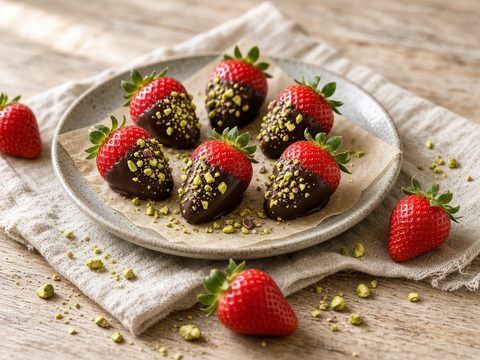 Ten minutes Dark chocolate strawberries with pistachios
 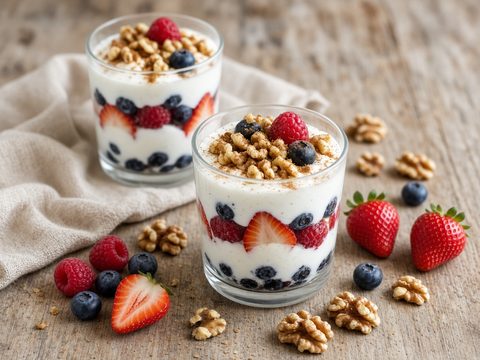 Assemble in 5 minutes Yoghurt, berry and walnut parfait
 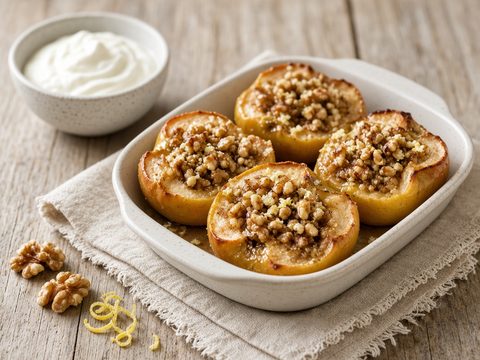 Warm fruit Baked apples with walnuts and cinnamon
 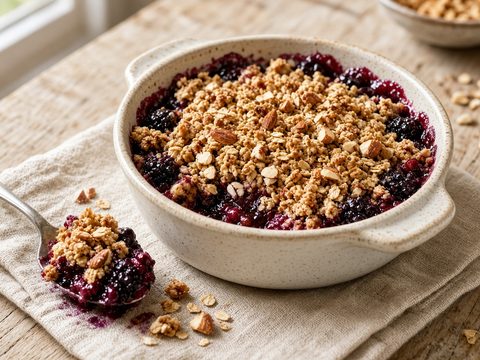 Tray pudding Warm berry oat crumble
 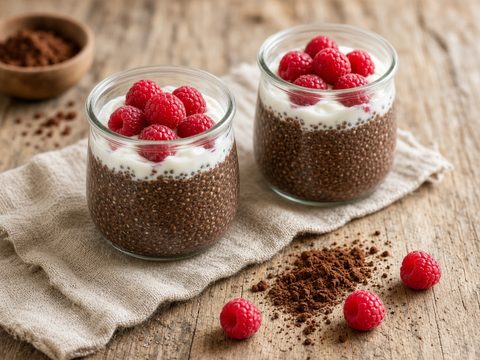 Make-ahead pot Cocoa chia pots with raspberries
 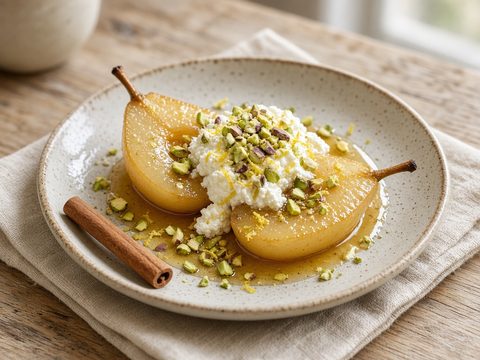 Cooked fruit Tea-poached pears with ricotta
 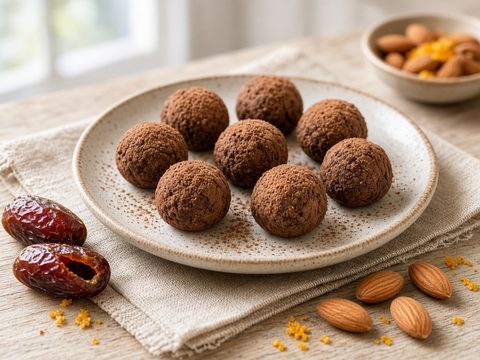 No-bake sweet Date and almond cocoa bites
 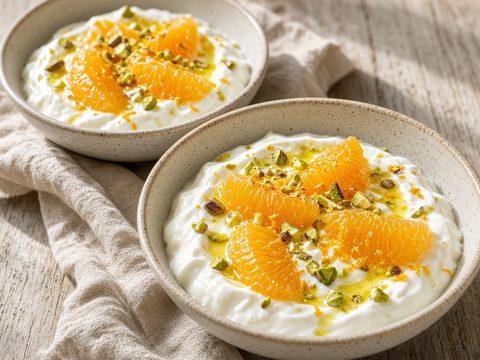 Assemble in 5 minutes Citrus yoghurt with olive oil
 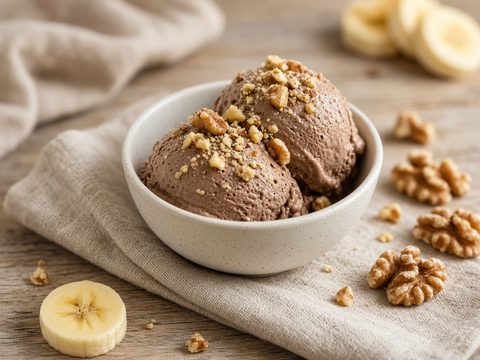 Blender pudding Frozen banana cocoa cream
 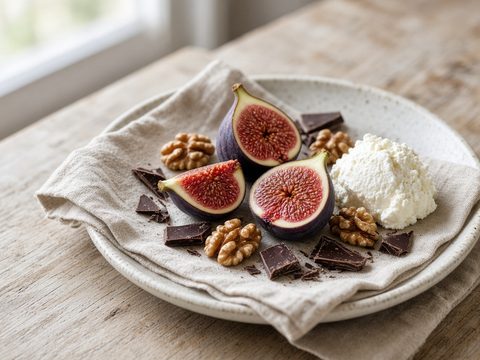 Cheese-course plate Figs, walnuts and dark chocolate
 Ten minutes
Berries are one of the few dessert ingredients with a repeated cardiovascular signal in cohort research. A thin coat of high-cocoa chocolate adds flavanols without turning the plate into a sugar shell, and pistachios supply the nut serving the calculator already scores.
Hits fruit, nuts. Best the day they are dipped. Refrigerate up to 24 hours on baking paper.
Swap. Raspberries or orange segments work if strawberries are out of season. Skip the salt if you already eat a high-sodium diet.
Assemble in 5 minutes
Plain yoghurt is a neutral-to-helpful dairy in mortality cohorts and a practical protein base. Frozen berries and a measured handful of walnuts turn it into a dessert that hits fruit, nuts, and dairy instead of a sundae that hits none of them.
Hits dairy, fruit, nuts. Berries and yoghurt can sit mixed for 2 days. Add walnuts just before eating.
Swap. Soy yoghurt if you avoid dairy; choose one with a useful protein figure on the label. Pecans or almonds can replace walnuts.
Warm fruit
Whole apples track with lower mortality and diabetes risk in pooled observational work, largely through fibre, polyphenols, and what they replace. Baking concentrates the flavour so you do not need pastry, and walnuts keep the plate in the nut group.
Hits fruit, nuts. Bake ahead and refrigerate 3 days. Reheat until the fruit is hot, then add yoghurt.
Swap. Pears bake the same way. A chopped date in the filling is enough sweetness if the apples are tart; skip syrup.
Tray pudding
This is fruit with a whole-grain lid, not cake wearing berries. Oats bring beta-glucan, the fibre with trial evidence for lipids and blood sugar, and almonds stop the topping from being only carbohydrate.
Hits fruit, whole grains, nuts. Bake once and refrigerate 3 days. Reheat a scoop; the oats soften but still eat well.
Swap. Use chopped apple or pear under the same lid. Walnuts instead of almonds are fine.
Make-ahead pot
Chia is an easy way to put a large fibre serving under a chocolate flavour. Cocoa powder supplies flavanols without the sugar load of a mousse, and yoghurt keeps protein in a useful range so this does not collapse into a pudding cup.
Hits fruit, dairy, nuts. 3 days in the fridge. The chia thickens overnight and holds.
Swap. Strawberries or blueberries if raspberries are expensive. A teaspoon of maple is optional; taste the cocoa pot first.
Cooked fruit
Pears sit with apples in the fruit analyses that track lower cardiovascular and mortality risk. Poaching in tea and citrus sweetens them without syrup, and ricotta plus pistachios add protein and the nut serving.
Hits fruit, dairy, nuts. Poach the pears up to 3 days ahead and keep them in their liquor. Plate with ricotta when you eat.
Swap. Cottage cheese instead of ricotta. Skip pistachios and use walnuts if that is what you have.
No-bake sweet
Dates are whole fruit, not free sugar in the same way syrup is, but they are still a concentrated sweet. Using them as the only sweetener, bound with almonds and cocoa, is a better swap for a confectionery bar than a second dessert on top of one.
Hits fruit, nuts. 1 week in the fridge. They firm up when cold.
Swap. Walnuts instead of almonds. If the dates are dry, soak them in hot water for 10 minutes and drain well.
Assemble in 5 minutes
Whole citrus, not juice, is the fruit serving with a clean observational signal. Extra-virgin olive oil is a PREDIMED staple, not a dessert gimmick: a teaspoon over thick yoghurt tastes like a restaurant plate and keeps you off flavoured yoghurt cups.
Hits dairy, fruit, nuts. Segment the citrus up to a day ahead. Assemble just before eating so the yoghurt stays thick.
Swap. Grapefruit if you like more bitterness. A few chopped walnuts instead of pistachios still counts as the nut serving.
Blender pudding
This is whole fruit blended cold, not ice cream with a banana cartoon. Cocoa gives the chocolate note; walnuts add fat and the nut group. It only stays a longevity dessert if it replaces a tub, not if it becomes a second evening snack.
Hits fruit, nuts. Freeze sliced bananas up to 3 months. Blend to order so the texture stays like soft ice cream.
Swap. A spoon of yoghurt in the blender raises protein and loosens the mix. Frozen mango can replace one banana.
Cheese-course plate
A fruit-and-nut plate is how dessert looks in the dietary patterns that actually have outcome trials. Figs bring fibre and volume; walnuts are the PREDIMED nut; a few shards of dark chocolate scratch the confectionery itch without a slice of cake.
Hits fruit, nuts. Nothing to prep. Quarter the figs just before serving so they do not weep.
Swap. Dried figs work in a pinch; use two, because they are denser. Fresh berries can stand in for figs.