The complete archive
Explore the evidence
Carefully sourced articles on food, movement, sleep, purpose, and the science of ageing—with assumptions and limitations kept in view.
18 articles
Food & nutrition
What to eat, how much, and what the human evidence actually supports.
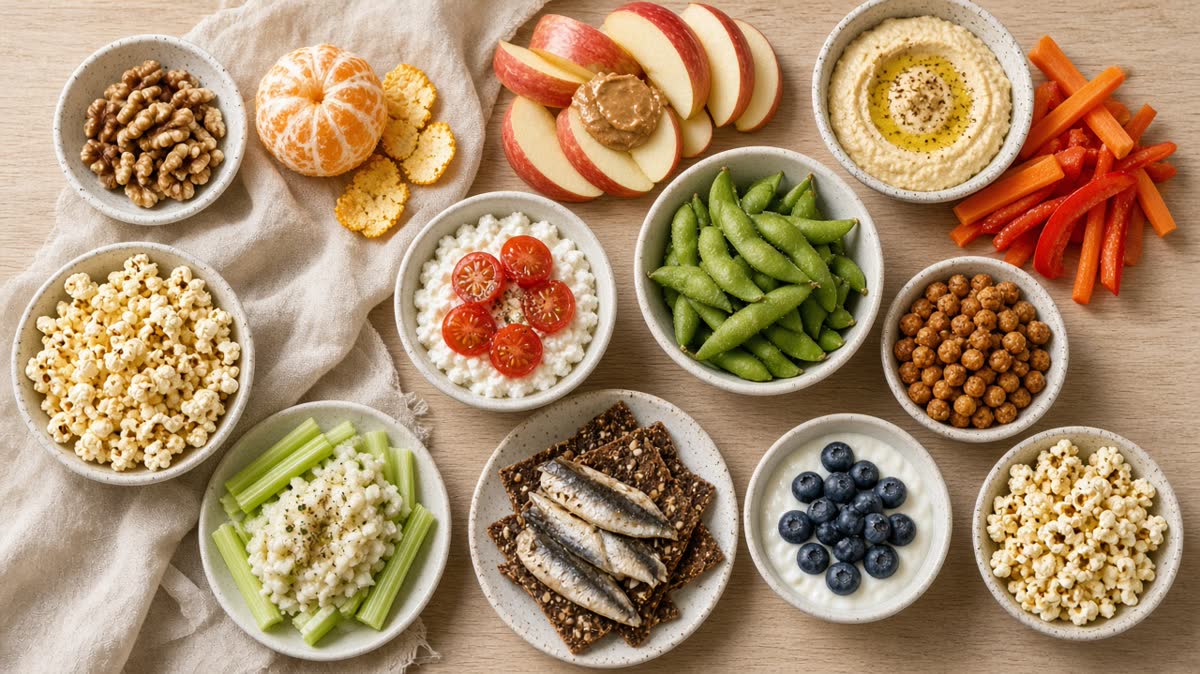
Nutrition · Between meals
10 Snacks Worth Eating for Longevity
Between-meal plates that still move the food groups linked to lower mortality: nuts, fruit, legumes, yoghurt, vegetables, fish, and whole grains, used to replace a packet rather than sit on top of one.
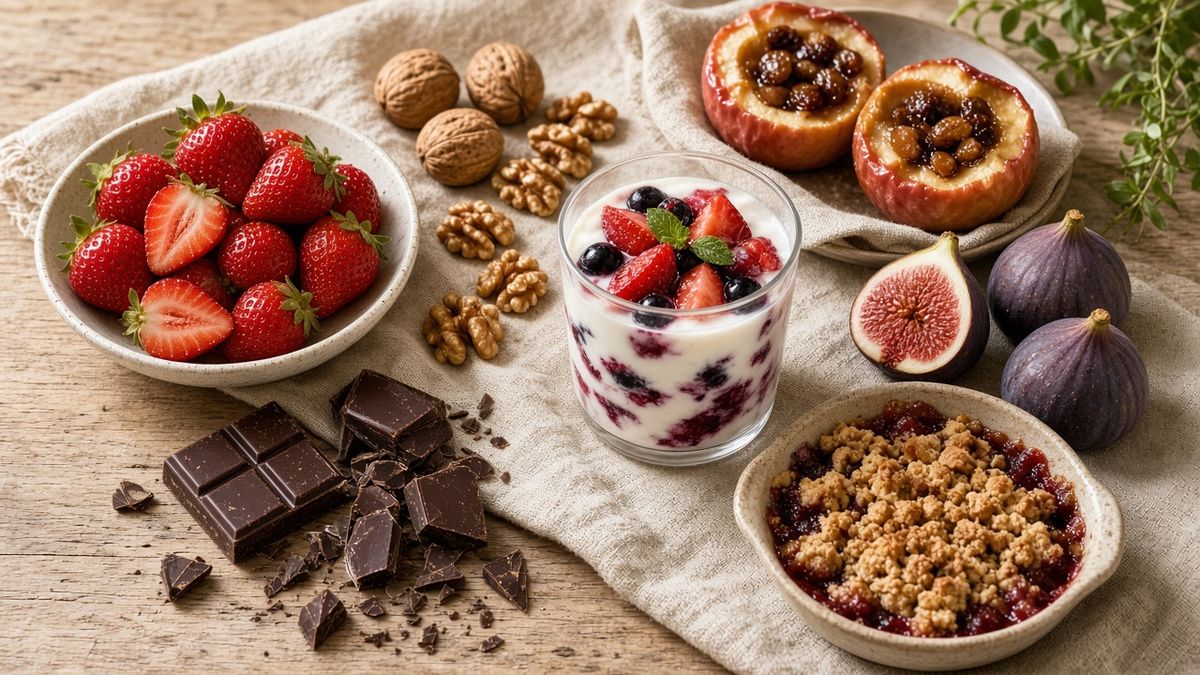
Nutrition · After dinner
10 Desserts Worth Eating for Longevity
Sweet plates that still move the food groups linked to lower mortality: berries, apples, yoghurt, nuts, oats, and high-cocoa chocolate, used to replace pastry rather than decorate it.

Nutrition · First meal
The Best Breakfasts for a Longer Life
Make-ahead Mediterranean breakfasts built from the food groups linked to lower mortality: oats, beans, greens, yoghurt, nuts, and fish, with enough protein to make the first meal count.

Evidence review · the vitality shelf
Which supplements actually help you live longer
A typical male vitality stack is sold on testosterone. Longevity evidence is thinner. Here is which ingredients earn a place, which only help if you are deficient, and which are mostly advertising.
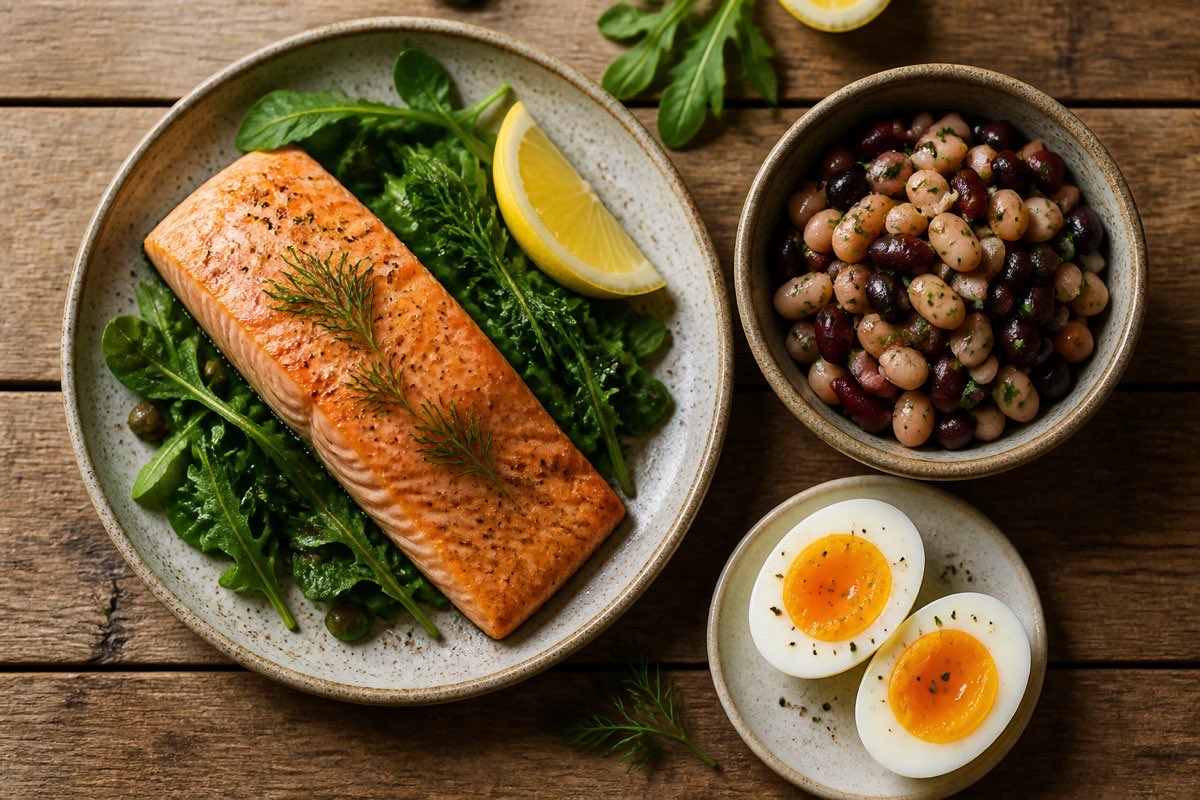
New review · Cell Press Blue, 2026
The Protein Paradox of Ageing
Protein protects ageing muscle, yet restricting protein and certain amino acids can extend life in animals. A new review explains why both can be true.
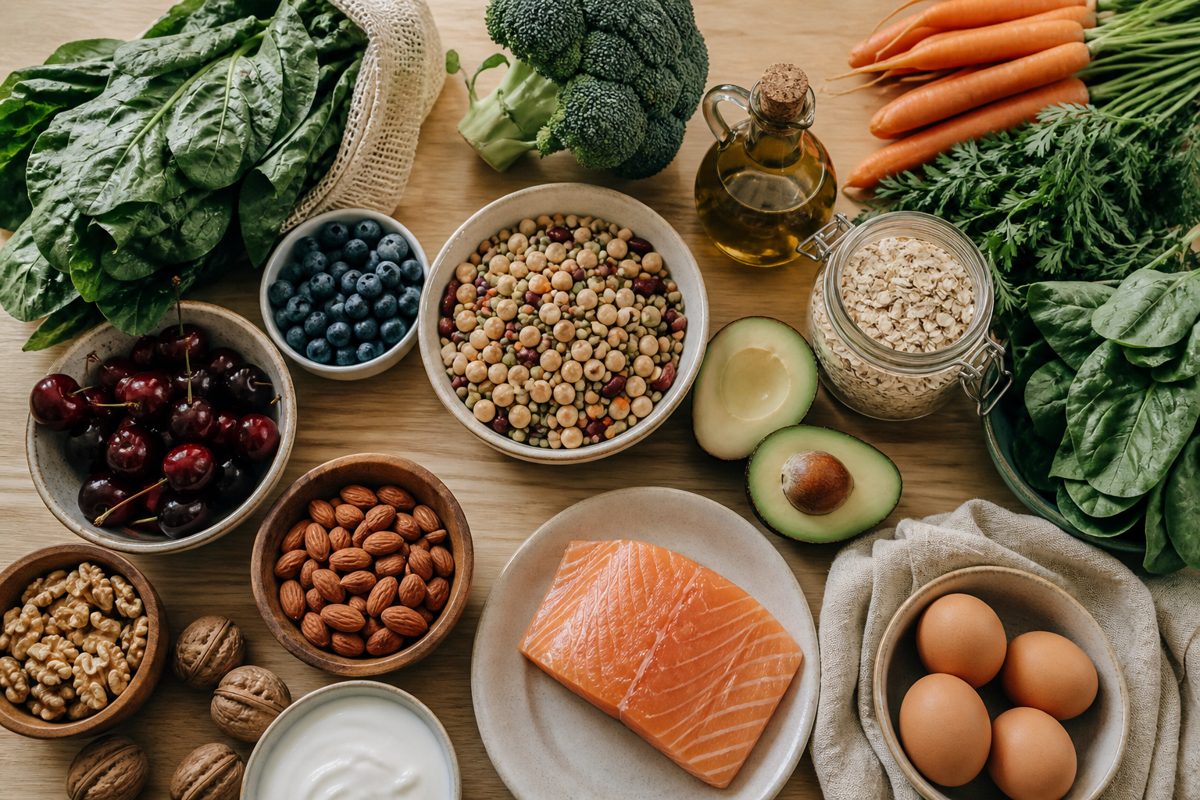
Doctors' diets, compared
What Longevity Doctors Put in the Cart
An amalgam of published diets from six respected clinicians and researchers: what they eat, what they skip, why they say so, plus a comparison matrix and consensus map.
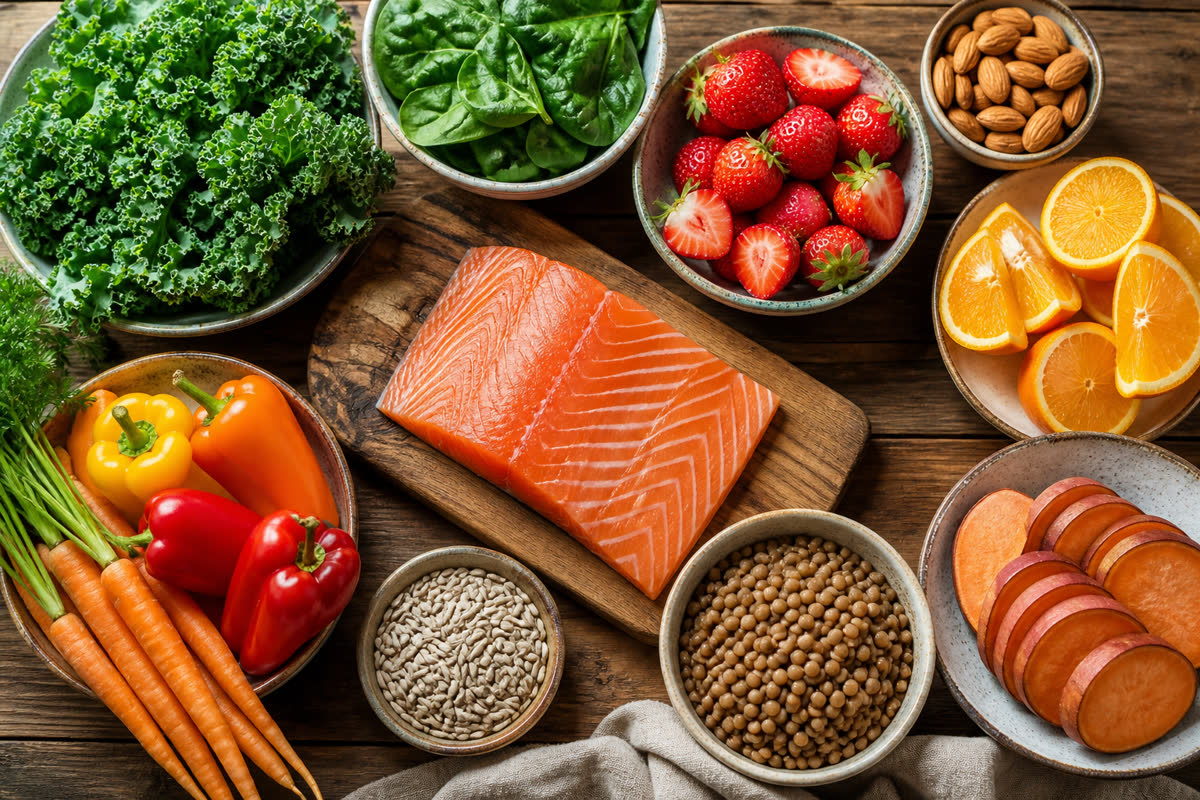
The longevity plate
12 Foods Worth Eating for Longevity
Nutrient-dense staples that show up again and again in mortality research: leafy greens, berries, nuts, fish, legumes, and the colourful plants that fill a longevity plate.
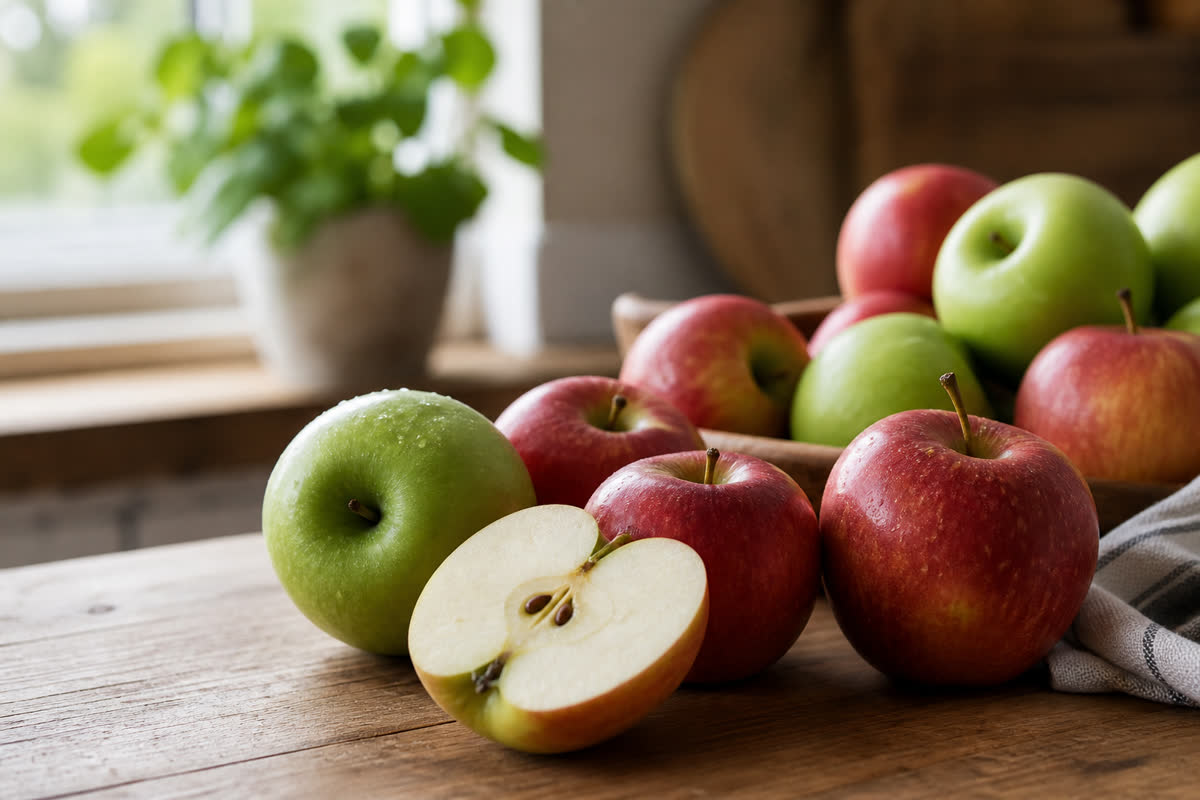
Evidence check · Whole fruit
An Apple a Day: What the Evidence Actually Supports
The proverb overpromises, but the research is kinder than sceptics expect. Whole apples track with lower mortality and diabetes risk, mainly through fibre, polyphenols, and what they replace.
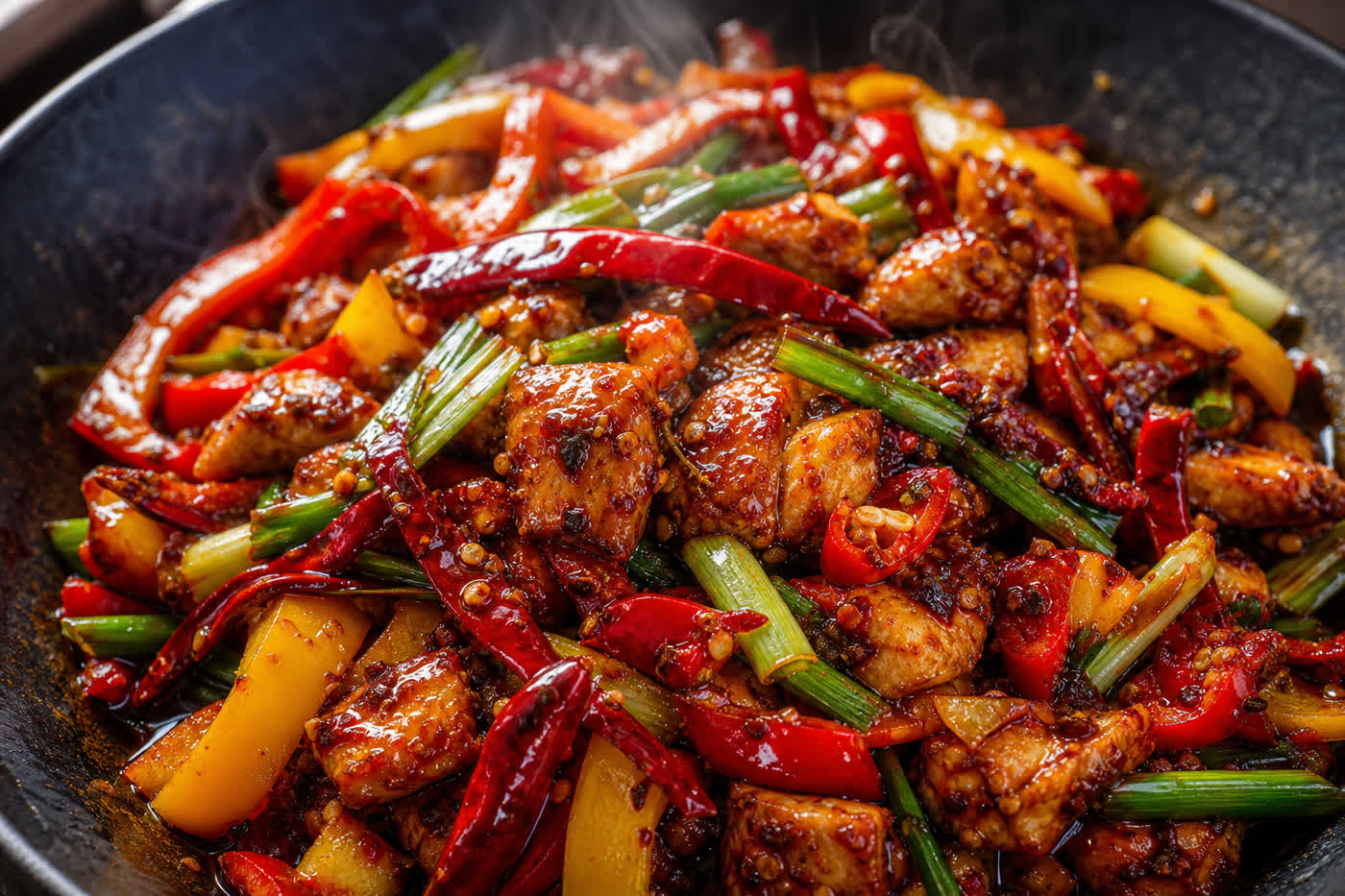
Evidence check · Chili
Does Spicy Food Help You Live Longer?
Regular chili pepper intake is linked to lower death risk in large cohorts from China, the US, Italy, and Iran. Capsaicin is the leading suspect, with a nuanced stomach-cancer caveat.

Evidence review · Whole grains
The Benefits of Oats: Beta‑Glucan, Blood Sugar, and Cholesterol
Oats are one of the most-studied whole grains. Randomized trials link them to better blood sugar control and lower cholesterol — mostly through a soluble fibre called beta-glucan. Here is what the evidence supports.
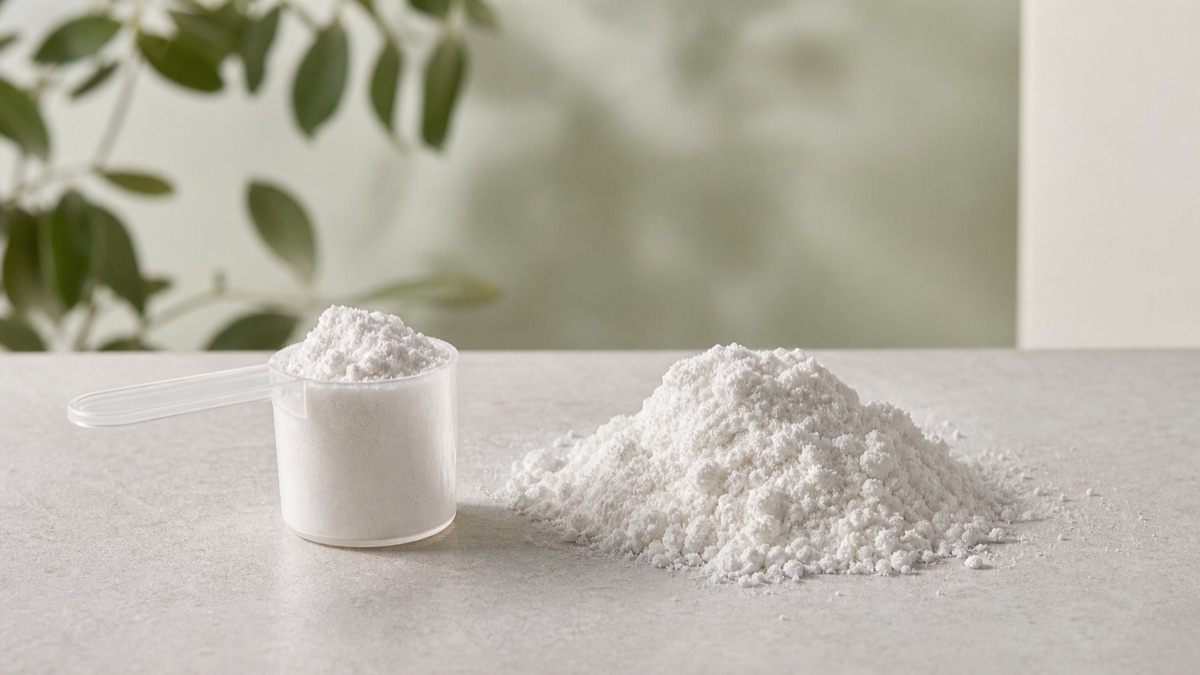
Supplement review
Creatine: boring, cheap, and probably useful
Creatine monohydrate has good evidence for strength and training, with emerging benefits for recovery and cognition under sleep loss.
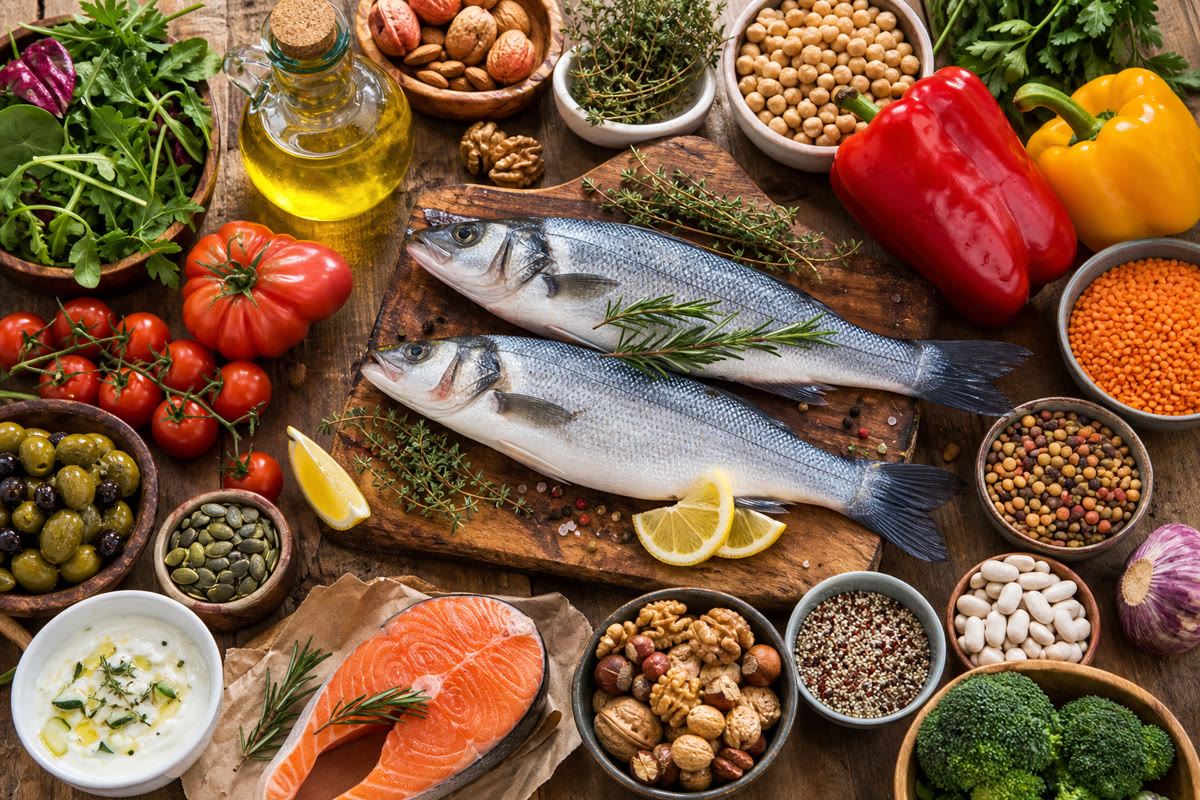
Study breakdown · Cell Metabolism
The Amino Acid Sweet Spot
A USC study finds that amino acid composition, not just protein quantity, may be the key to metabolic health and longevity.

Study breakdown · Am J Clin Nutr, 2017
12 Food Groups and Mortality
Schwingshackl et al. mapped how whole grains, vegetables, nuts, meat, and more relate to all-cause death — and what holds up today.
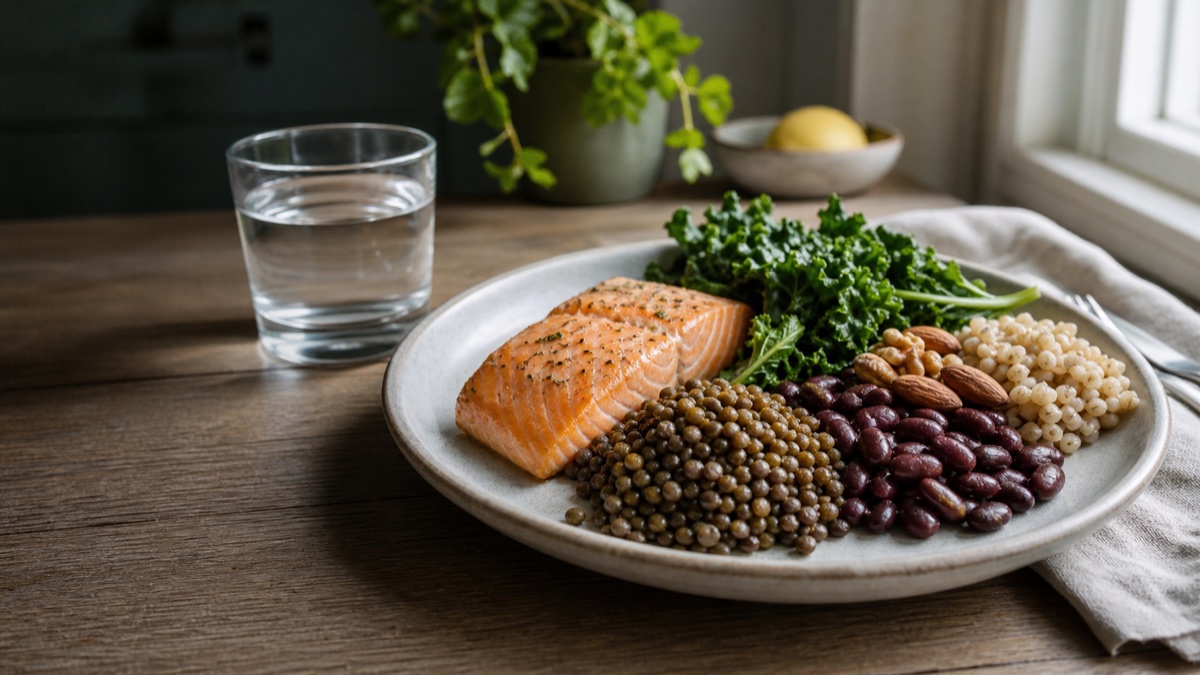
Evidence review · Protein targets
How Much Protein Do You Actually Need?
Protein needs change with age, training, illness, and kidney health. Use evidence-based ranges without treating an athletic target as a rule for everyone.

Evidence check · Sugar in fruit
Is Fruit Too High in Sugar? Whole Fruit, Juice, and the Evidence
Whole fruit contains sugar, but its fibre, water, food structure, and nutrients make it different from juice and sugary drinks. Here is what the evidence actually supports.
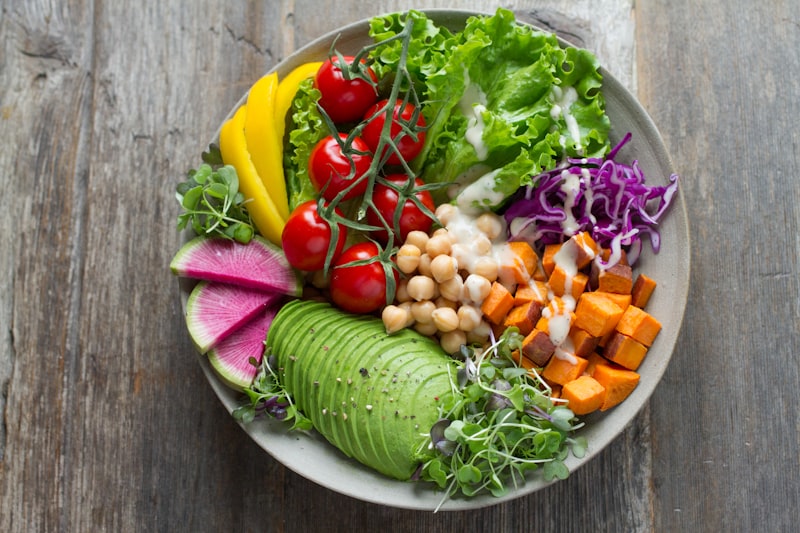
Evidence review · The CALERIE trial
Caloric Restriction: What Human Studies Actually Show
Eating less extends lifespan in some laboratory animals, but human evidence is more limited. Here is what the CALERIE trial found, what remains unknown, and where caution matters.
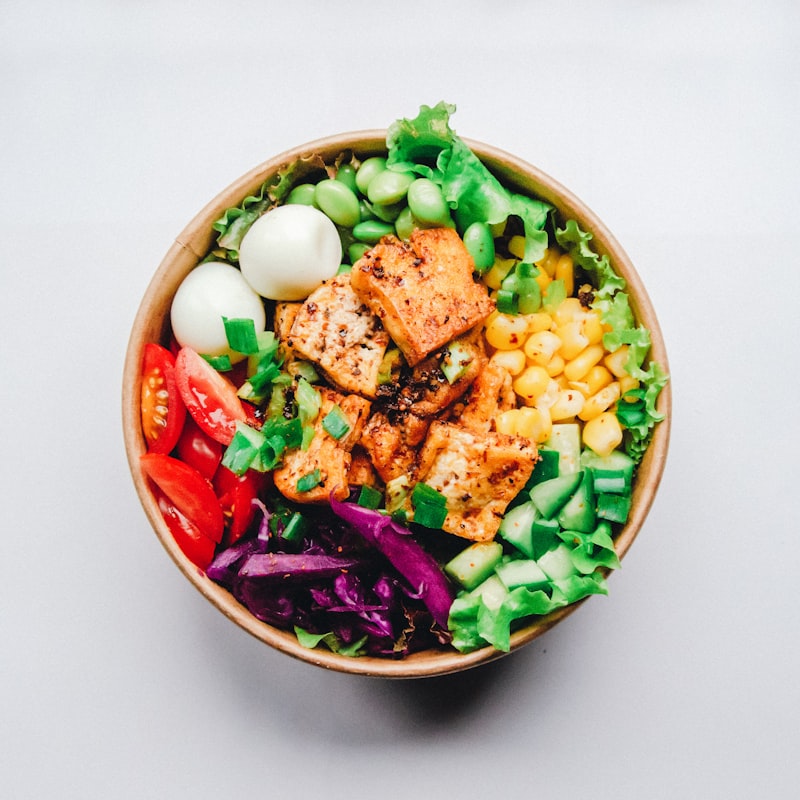
Appetite · How fullness works
The Satiety Solution: Build Meals That Keep You Full
Satiety is shaped by protein, fibre, water, energy density, processing, portions, and eating context. Use those levers to make satisfying meals without turning fullness into a rigid food score.
Fitness, fasting, food
The Triple‑F Longevity Diet
A concise set of steps to maximise your lifespan: fitness, fasting, and food.
05 articles
Movement
Fitness, balance, reaction time, and the habits that protect healthspan.
Study breakdown · Cell Reports Medicine, 2026
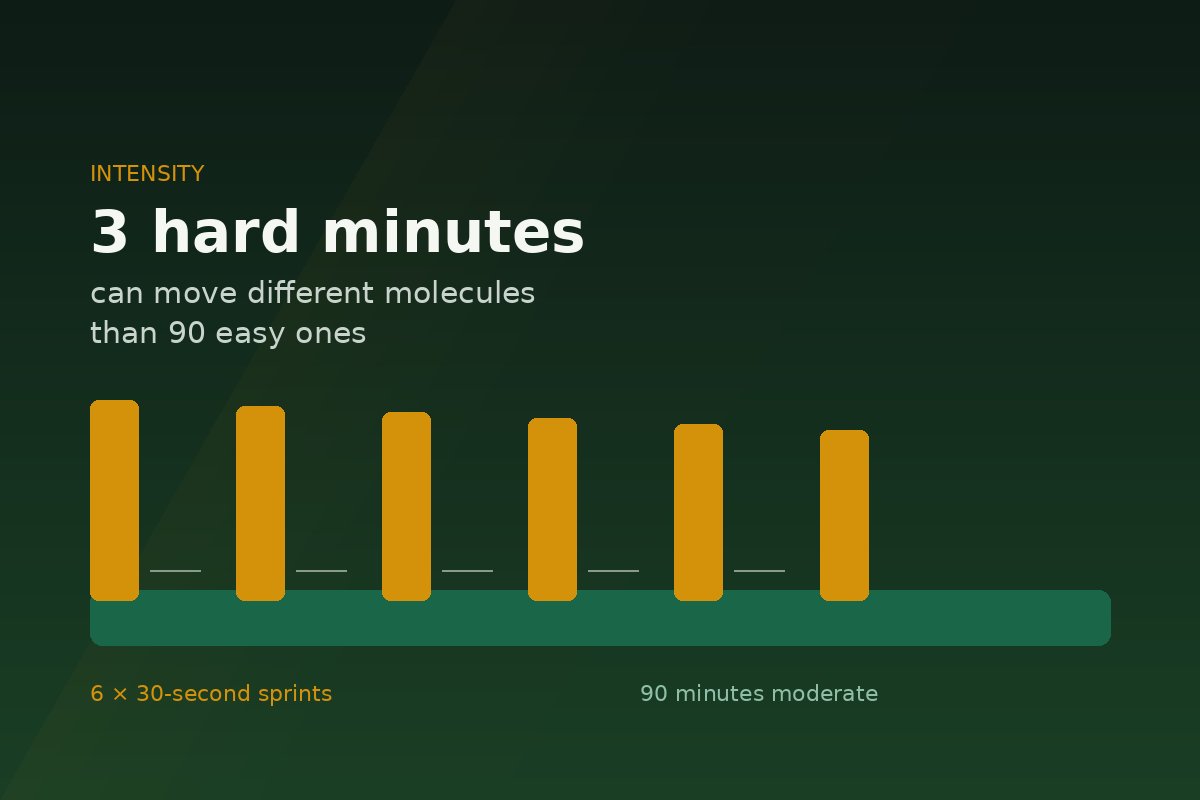
Three Hard Minutes vs Ninety Easy Ones
A 2026 Cell Reports Medicine study found that six 30-second sprints remodelled far more blood proteins than 90 minutes of moderate cycling. Here is what that intensity signal means for longevity, and what it does not.

Training · Strength
Muscle Needs Minutes, Not Hours
How little resistance training it takes to grow and keep muscle, what Dorian Yates and Steve Reeves actually did, and how to turn weekly sets into a realistic number of minutes.
The skill nobody trains
The 400‑Millisecond Window
Reaction time is the fitness metric almost nobody trains, and it decides whether you catch yourself or hit the ground. Here is what the evidence says, plus four drills you can do at home.

Healthspan · Balance
Falls Steal Years: Why Balance Is a Longevity Habit
Falls are a leading cause of injury and loss of independence after midlife. Here is how they shorten healthy years, and what a falls researcher does every day to stay upright.

Training · Aerobic base
Zone 2 Cardio: Useful, Not Magical
What Zone 2 cardio means, why definitions vary, how to estimate the right intensity, and how it fits into a balanced weekly exercise plan.
02 articles
Sleep
Sleep duration, quality, and the limits of longevity claims.
Study breakdown · medRxiv preprint, 2026
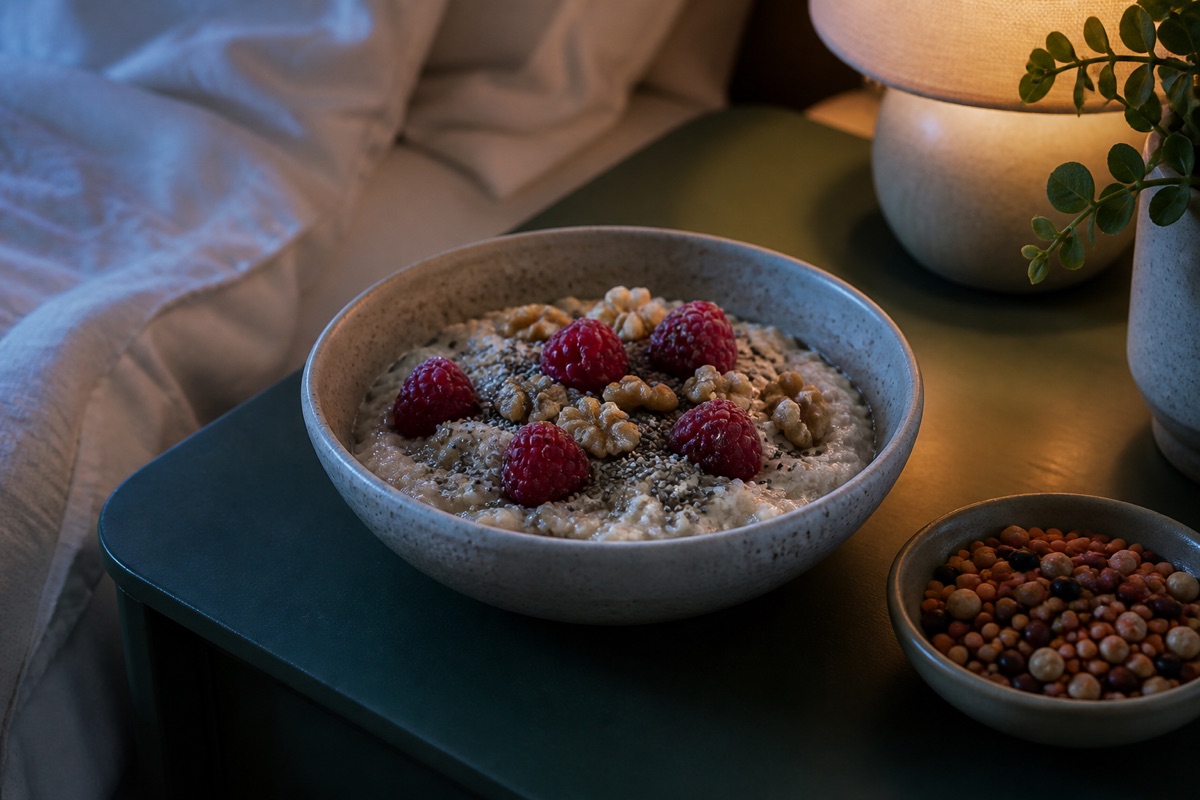
Can More Fibre Help You Sleep Better?
A 2026 preprint links higher-fibre days with slightly more deep and REM sleep. The effect was small, but it points towards a practical way to improve diet quality.

Evidence review · Sleep duration
Sleep and Longevity: Finding Your Healthy Range
Most adults need at least seven hours regularly, while unusually short or long sleep can signal health problems. Learn what longevity studies show and how to improve sleep without chasing one perfect number.
06 articles
Mind & purpose
Relationships, happiness, useful work, and the social side of a longer life.

Mind, purpose and lifespan
Do Fathers Live Longer?
Fathers tend to outlive childless men, especially later in life. The extra years show up in national registers. Here is what the association can and cannot tell you.

The longest study of happiness
Social Fitness: The Longevity Habit You Skip
The longest study of adult lives keeps landing on the same result: warm relationships predict happiness and healthy ageing. Here is what social fitness is, what to practise, what to stop doing, and how it shows up in mortality data.

Philosophy · Camus
Nothing Matters. That Is Why You Get to Choose.
Albert Camus's Myth of Sisyphus starts from a crushing fact: life has no built-in meaning. The twist is that this can liberate you instead of defeating you.

What the 100-year-olds keep saying
Secrets of the Experts: What Centenarians Keep Repeating
Interview a dozen people who have lived past 100 and the advice converges. Move every day, stay useful, stay social, eat simply, and do not waste the years worrying.

Mind and lifespan
Is There a Link Between Happiness and Longevity?
Happy people do tend to live longer, but not because they chase good vibes. The protective ingredients are purpose, people, and a bit of effortful living.

Work, purpose and lifespan
Does the Day You Retire Change How Long You Live?
The link between retirement age and longevity is real but slippery. Here's what the evidence actually says, plus what to build into retirement, and what to avoid, if you want the years to count.
09 articles
Ageing science
How ageing behaves, how risk is measured, and what the big studies find.

Verified supercentenarians · September 2026
What the Oldest Living People Keep Doing
A sourced look at the current GRG ranking of the world's oldest living people, the habits they describe in interviews, and the pattern that survives contact with evidence.
Study breakdown · Eur Urol, 2016
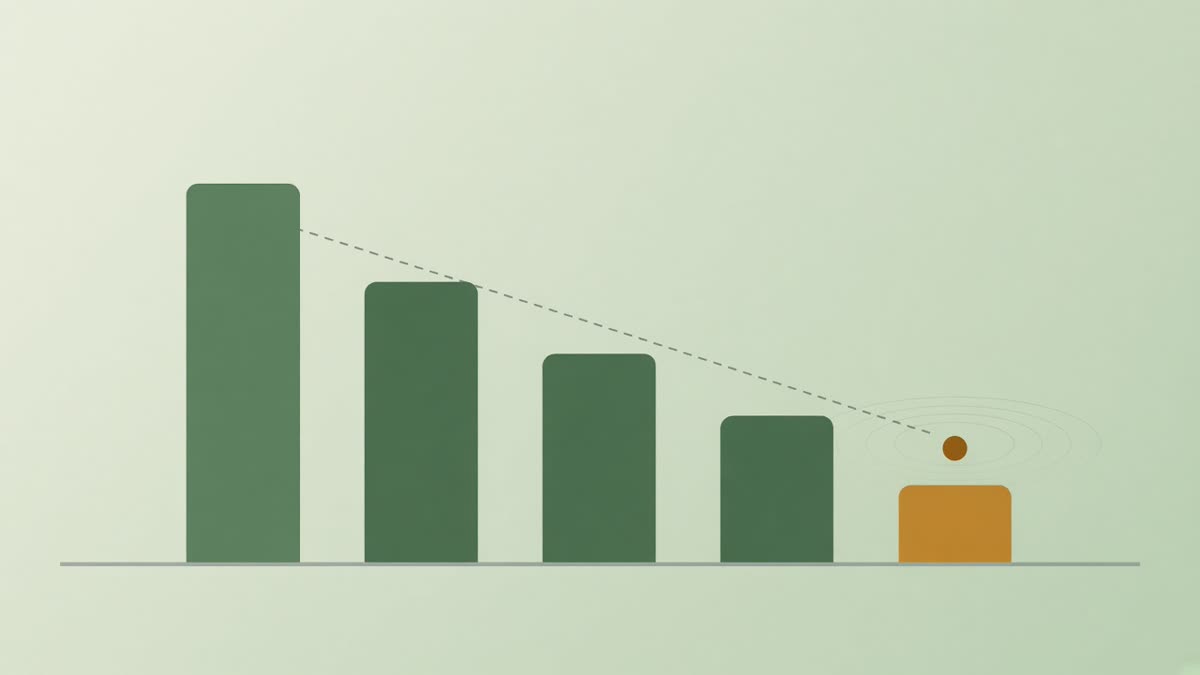
Twenty‑One Times a Month
The 21-ejaculations-a-month prostate finding is real research, not a meme. Here is the Harvard cohort it comes from, what later reviews added, and why it is not a proven longevity protocol.
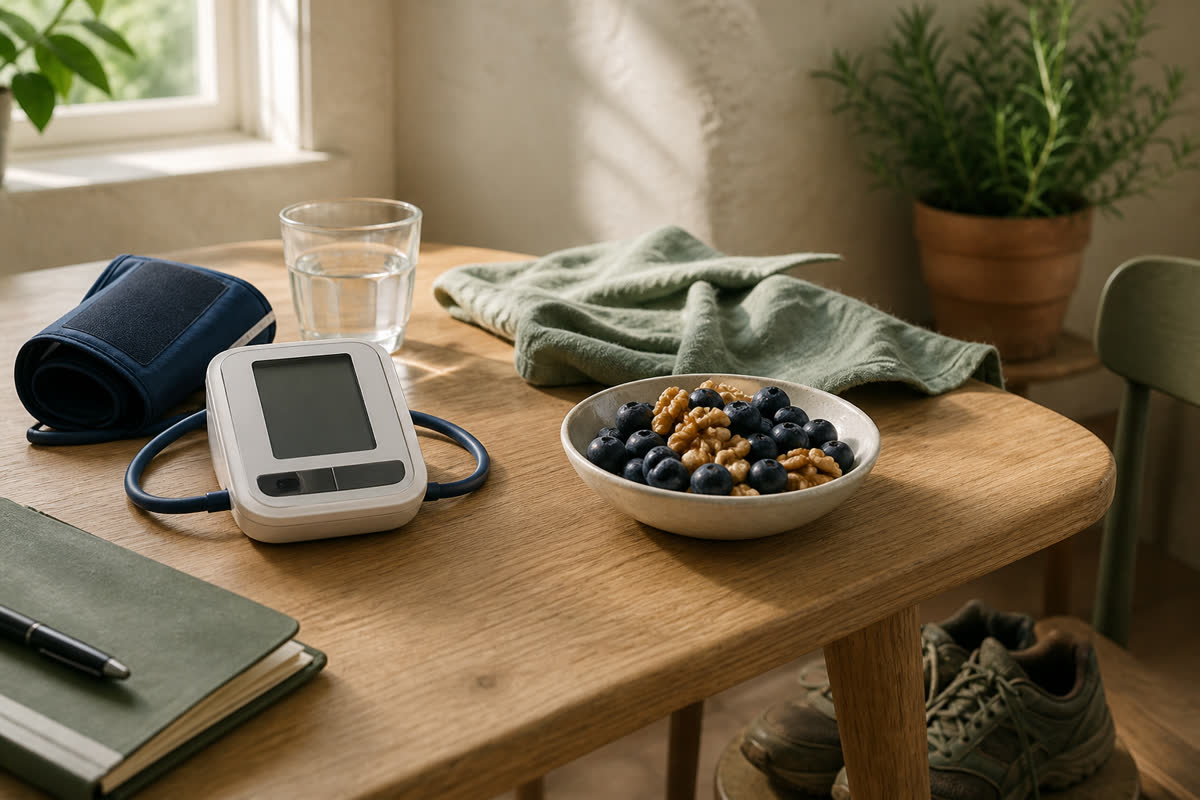
Study breakdown · Neurol Open Access, 2026
Three Midlife Risks, Thirteen Dementia‑Free Years
An ARIC analysis of 12,409 people found that avoiding high blood pressure, diabetes, and smoking at midlife was linked to about 13 more years lived without dementia. The numbers, the caveats, and what the years actually measure.

Male longevity · Kimura to Sardinia
25 Habits of the Longest‑Living Men
A circulating list of habits from history's longest-living men mixes verified biographies with Blue Zone folklore. Here is what holds up, what is thin, and what is worth copying.

Study breakdown · Am J Clin Nutr, 2024
Eight Habits, Twenty‑Four Years
The Million Veteran Program tracked 719,147 people to ask a blunt question: how much life is a habit actually worth? The key findings, the charts, and the caveats that matter.

Reading list
Resources
Books, papers, and life-expectancy calculators worth your time.

Longevity culture
Hotspan: the vain cousin of healthspan
First we chased lifespan, then healthspan. Now men want a hotspan, the years they stay lean, strong and good-looking. Lenny Kravitz is the poster child.

The shape of ageing
You Don't Age in a Straight Line
Biological ageing doesn't creep up evenly. It hits in sudden surges around 34, 60 and 78. Here's why the birthday-candle model of ageing is quietly wrong.

Risk, and how we talk about it
The Cigarette Index: A Memorable Idea with Serious Limits
Can health risks really be converted into cigarettes? What the comparison gets right, where the maths fails, and how to read lifestyle risk more accurately.