Cholesterol and Longevity: What to Eat, What to Swap
An oat breakfast, beans in a soup, olive oil in place of butter: lowering cholesterol often starts with small changes to familiar meals.
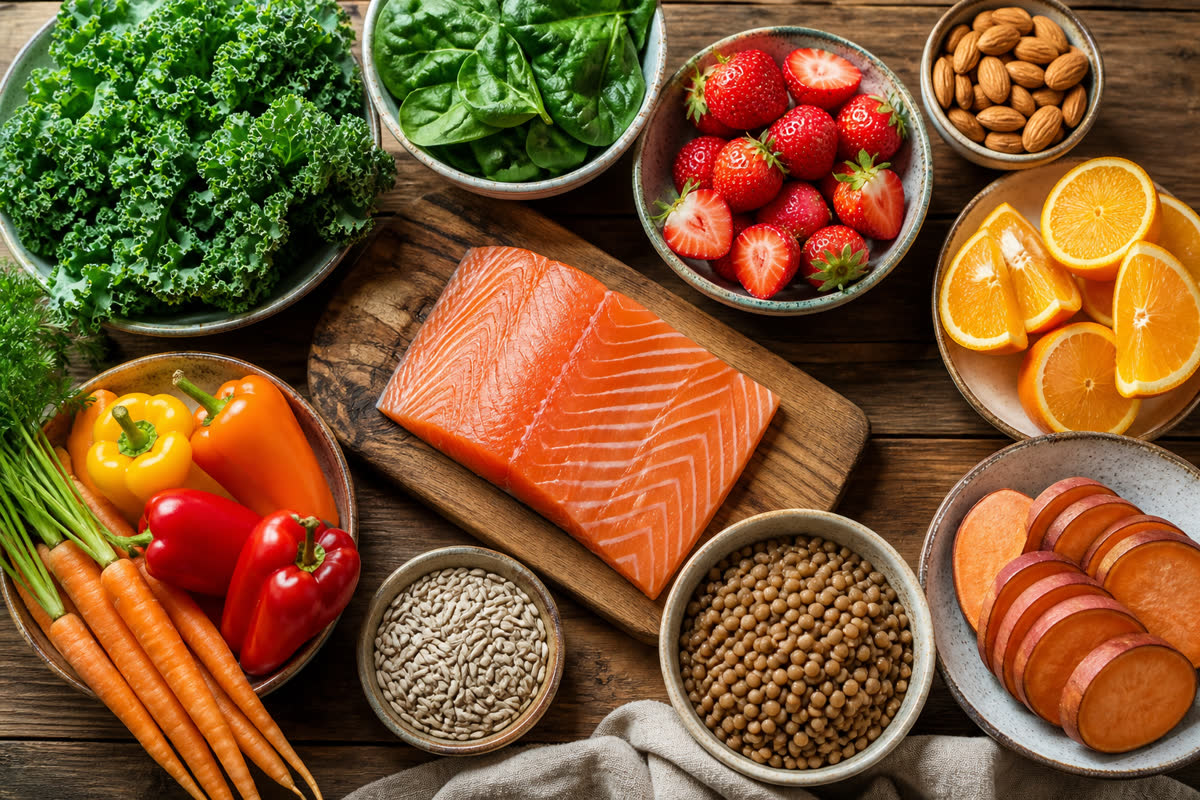
A cholesterol result can prompt a closer look at everyday eating. The aim is to reduce cardiovascular risk through changes you can sustain, starting with familiar meals and snacks.
A recent NZ Herald article on cholesterol and snacks prompted this guide. Its practical theme is sound: habitual snacks count. Here we put those choices into the wider dietary pattern and distinguish cholesterol changes from evidence about living longer.
Why LDL matters for healthy ageing
Cholesterol is essential for normal cell function. The problem is excess cholesterol carried in particles that can enter artery walls. LDL cholesterol is a causal contributor to atherosclerosis, the build-up of plaque that can lead to heart attacks and strokes. Genetic studies, population studies and trials of LDL-lowering treatments point in the same direction: both the level and the duration of exposure matter (European Atherosclerosis Society consensus).
HDL is often called “good” cholesterol, but a high HDL result does not cancel out high LDL. Triglycerides are another blood fat, measured alongside cholesterol. A useful assessment considers the whole lipid profile together with blood pressure, smoking, diabetes, family history and existing cardiovascular disease.
That distinction matters when discussing sugar. Excess free sugar, particularly in sugary drinks, can contribute to high triglycerides and excess energy intake. It is too simple to say that every sweet food directly becomes LDL. For lowering LDL through diet, replacing saturated fat and increasing soluble fibre are more direct targets.
What the longevity evidence actually shows
A 2020 Cochrane review combined 15 randomised trials involving more than 56,000 adults. Reducing saturated fat for at least two years reduced combined cardiovascular events by about 17% relative to comparison diets. It found little or no effect on deaths from any cause.
That is evidence for preventing cardiovascular events, not proof that a particular dietary swap adds a fixed number of years. The absolute benefit depends on a person’s starting risk, and the trials differed in their diets and participants. Protecting against a disabling heart attack or stroke is still a meaningful healthy-ageing goal.
What to limit, and what to eat instead
Think in terms of usual choices rather than forbidden foods. An occasional pastry is different from a daily pastry, and removing a food only helps if the replacement improves the pattern.
| Usual choice to limit | A practical replacement | Why the swap helps |
|---|---|---|
| Sausage rolls, pies and fatty processed meats | Wholegrain toast with beans, hummus with vegetables, or edamame | Usually less saturated fat, with fibre from legumes and whole grains |
| Butter-rich pastries, cakes and chocolate biscuits | Porridge, whole fruit with unsalted nuts, or plain lower-fat yoghurt with berries | Replaces a frequent source of saturated fat with fibre or unsaturated fats |
| Butter, ghee or coconut oil as the everyday cooking fat | Olive or rapeseed/canola oil, or an unsaturated spread | Changes the type of fat rather than trying to eliminate fat |
| Frequent large servings of cream, ice cream or cheese | Plain lower-fat yoghurt with fruit; smaller cheese portions alongside beans and vegetables | Can reduce saturated fat while keeping meals satisfying |
| Sugary drinks and frequent confectionery | Water, unsweetened tea or coffee, and whole fruit when you want something sweet | Reduces free sugar; whole fruit contributes fibre |
These choices align with NHS guidance on lowering cholesterol. Product recipes and portions vary. Use the saturated-fat figure per 100 g to compare similar products, then check the amount in your actual serving. A “plant-based”, “keto” or “high-protein” label does not guarantee a cholesterol-friendly product: coconut and palm fats can still supply plenty of saturated fat.
Build meals around these foods
Oats and barley. Their beta-glucan is a soluble fibre that helps reduce cholesterol absorption and promotes the loss of bile acids. Porridge is an easy starting point. Oatcakes can be useful too, but an oat biscuit with butter and chocolate is not nutritionally equivalent. The amount of beta-glucan varies by product; do not assume any serving of oats supplies a therapeutic dose.
Beans, lentils, chickpeas and soy foods. These bring fibre and plant protein, and can displace fatty meat. Try lentils in a pasta sauce, chickpeas in a salad, tofu in a stir-fry or edamame as a snack. Tinned and frozen versions count. Rinse salted beans or choose lower-salt products when available.
Unsalted nuts and seeds. A small handful makes a useful replacement for biscuits. They supply unsaturated fats and fibre; plain nut butter is another option. Portion into a bowl rather than relying on an open bag, and use alternatives if you have a nut allergy.
Vegetables, whole fruit and whole grains. Apples, citrus, vegetables and wholegrain breads help increase fibre across the day. Whole fruit is a more useful everyday choice than juice for this purpose. Increase fibre gradually if your usual intake is low.
Unsaturated oils and fish. Use olive or canola oil in place of butter, rather than simply adding oil to an unchanged meal. Oily fish can replace processed meat. Fish belongs in a heart-healthy pattern, but it should not be presented as an LDL-lowering treatment on its own.
For practical combinations, see our snack recipes and foods for longevity.
A day of repeatable swaps
- Breakfast: porridge with fruit and plain lower-fat yoghurt instead of a buttered pastry.
- Lunch: lentil soup and wholegrain bread, or a bean salad with an olive-oil dressing.
- Snack, if hungry: an apple and a small handful of unsalted nuts, or hummus with vegetables.
- Dinner: tofu, beans or fish with vegetables and a whole grain; use an unsaturated oil for cooking.
The aim is enough food and a better balance, not the smallest possible intake. An older adult with a poor appetite may need help maintaining energy and protein while changing fat sources. A dietitian can adapt the pattern to medical needs, allergies, preferences and budget.
Know when food is only part of the answer
High cholesterol usually has no symptoms. Get a lipid test and discuss your overall cardiovascular risk rather than judging success by how healthy your meals look. Some people have inherited high cholesterol, including familial hypercholesterolaemia, and need treatment even with an excellent diet.
If LDL is very high, close relatives developed heart disease young, or you already have cardiovascular disease, discuss treatment promptly. Food changes support prescribed cholesterol-lowering medicines; they do not replace them. Agree with your clinician when to repeat blood tests and what target fits your risk.
The useful habit is modest and repeatable: replace a regular source of saturated fat, add a reliable source of fibre, and check whether your cholesterol responds. Artery health is a long-term project, and the blood test matters more than the packaging claim.
Sources
- Ference et al., European Heart Journal, 2017: LDL causes atherosclerotic cardiovascular disease; consensus from genetic, epidemiological and clinical studies.
- Hooper et al., Cochrane, 2020: Reduction in saturated fat intake for cardiovascular disease. Randomised-trial synthesis; cardiovascular-event benefit does not establish a mortality benefit.
- NHS: How to lower your cholesterol. Practical dietary and lifestyle guidance, reviewed March 2026.
- HEART UK: Foods that lower cholesterol. Guidance on soluble fibre, nuts and soy foods.
- Emily Craig, NZ Herald / Daily Telegraph UK, 17 October 2026: The worst snacks for your cholesterol (and what to have instead). Reporting that prompted this independently written guide; subscription may be required.
Prepared with AI assistance for research organisation and drafting. Claims and source attribution were checked during preparation; this article has not received independent clinical review.