What an Inflammatory Diet Means
Researchers studying diet and inflammation keep returning to familiar foods: vegetables, beans, whole grains and fish.
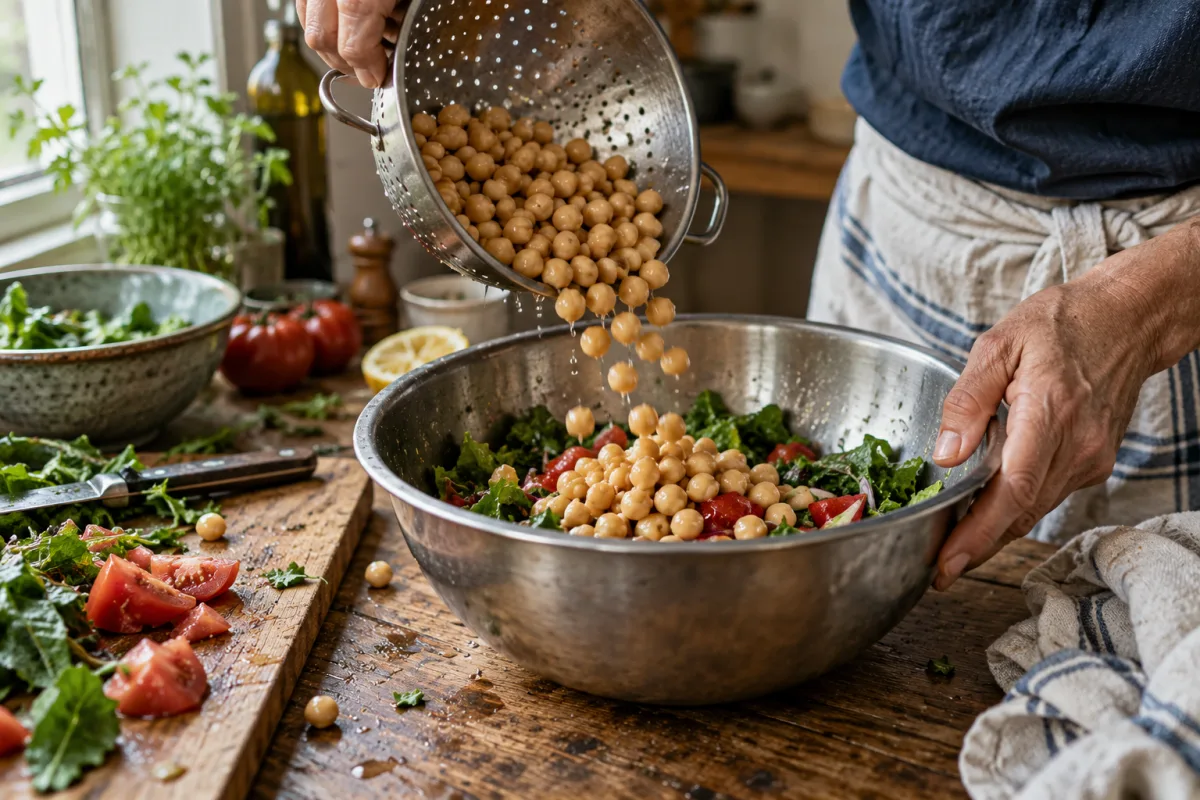
The phrase “anti-inflammatory diet” turns up on meal plans, cookbooks and food labels. It usually points towards familiar ingredients: vegetables, beans, whole grains, nuts, olive oil and fish.
Researchers have studied how eating this way relates to inflammation, including changes in blood markers such as C-reactive protein. Some trials have found improvements. Understanding those results takes a closer look at the whole diet, how the studies were run and what the markers can tell us.
What inflammation means here
Inflammation is part of the body’s response to injury and infection. The concern in this research is persistent, low-grade inflammation, measured through markers such as C-reactive protein (CRP) and interleukin-6.
These markers can be influenced by infection, smoking, body fat, activity and other factors. Diet is one contributor. An elevated CRP result does not identify a particular food as its cause, and interpreting a test requires clinical context.
How a diet gets a score
The Dietary Inflammatory Index, developed by Shivappa and colleagues, draws on published findings about dietary components and inflammatory markers. Researchers use it to estimate the inflammatory potential of a person’s overall intake. Higher scores indicate a more pro-inflammatory pattern.
A 2024 meta-analysis of 13 cross-sectional studies, involving 54,813 adults, found 25% higher odds of elevated CRP in the highest-scoring group than in the lowest. Because intake and markers were assessed without randomly assigning diets, that comparison cannot establish cause and effect.
A separate 2018 meta-analysis linked the highest versus lowest scores with approximately 36% higher relative risk of cardiovascular incidence or mortality. Diet, smoking, activity and socioeconomic circumstances often vary together. Statistical adjustment helps, but cannot fully separate them.
What trials add
Mediterranean-style eating has been tested in randomised trials as well as observed in cohorts. A 2014 meta-analysis of 17 trials found average reductions in high-sensitivity CRP and interleukin-6 compared with control diets. The CRP difference was about 0.98 mg/L, although results varied substantially between trials.
The trials suggest that dietary changes can lower these markers, although the size of the effect varies. They do not tell us how a given change in CRP affects lifespan.
The eating pattern is familiar: vegetables, fruit, legumes, whole grains, nuts, olive oil and fish, with less reliance on processed meat, sugary drinks and refined snack foods. Researchers assess intake over time, so the recurring meals matter more than an occasional pastry or takeaway.
Making the pattern workable
Start with meals you already eat. Add lentils to a soup or mince dish, use whole-grain bread when you enjoy it, and keep frozen vegetables or canned beans available for busy evenings. Olive oil, nuts and seeds offer alternatives to some sources of saturated fat.
A day might look like this:
| Meal | One possible choice |
|---|---|
| Breakfast | Oats with yoghurt, berries and nuts |
| Lunch | Chickpea salad with vegetables and olive-oil dressing |
| Dinner | Fish or tofu with whole grains and greens |
| Snack, if wanted | Fruit, yoghurt or hummus with vegetables |
These are examples to adapt to your appetite and dietary needs. The EatingWell meal plan that prompted this article provides further examples, while the health claims come from the research listed below.
What to expect
A varied diet can improve nutritional quality without producing a noticeable change in energy or symptoms. Persistent fatigue deserves assessment rather than an assumption that lunch is “inflammatory”. Anaemia, thyroid disease, sleep problems and medication effects are among the other possible explanations.
If you have kidney disease, food allergies or a prescribed diet, adapt these suggestions with your clinician or dietitian. For everyday cooking, start with something manageable: beans in a soup, vegetables with lunch or nuts in place of a sweet snack.
For more meal ideas, see our guides to everyday longevity foods and beans.
Revised with AI assistance on October 6, 2026. This is an editorial revision, not a medical review.
Sources
- EatingWell: 7-day high-protein anti-inflammatory meal plan for more energy (prompt for the practical pattern; claims above rest on the studies, not the commercial plan)
- Shivappa et al., Public Health Nutrition 2014: designing the Dietary Inflammatory Index
- Hua, Liang, and Yang, Medicine 2024: meta-analysis of DII and C-reactive protein
- Mohammadi et al., Food Science & Nutrition 2023: DII and elevated serum CRP, systematic review and meta-analysis
- Shivappa et al., Nutrients 2018: DII and cardiovascular risk and mortality, meta-analysis
- Schwingshackl and Hoffmann, Nutr Metab Cardiovasc Dis 2014: Mediterranean diet, inflammation, and endothelial function
- Tran et al., British Journal of Nutrition 2024: umbrella review of dietary patterns and circulating CRP
- Dietary Guidelines for Americans, 2020–2025
- Longtime: 12 foods worth eating for longevity
- Longtime: the power of beans